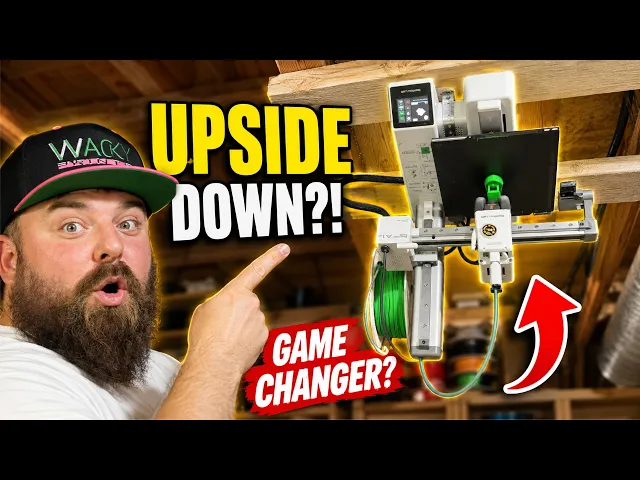
Is 3D Printing Upside Down a Game Changer?
A physical experiment that tests an unusual printer setup.


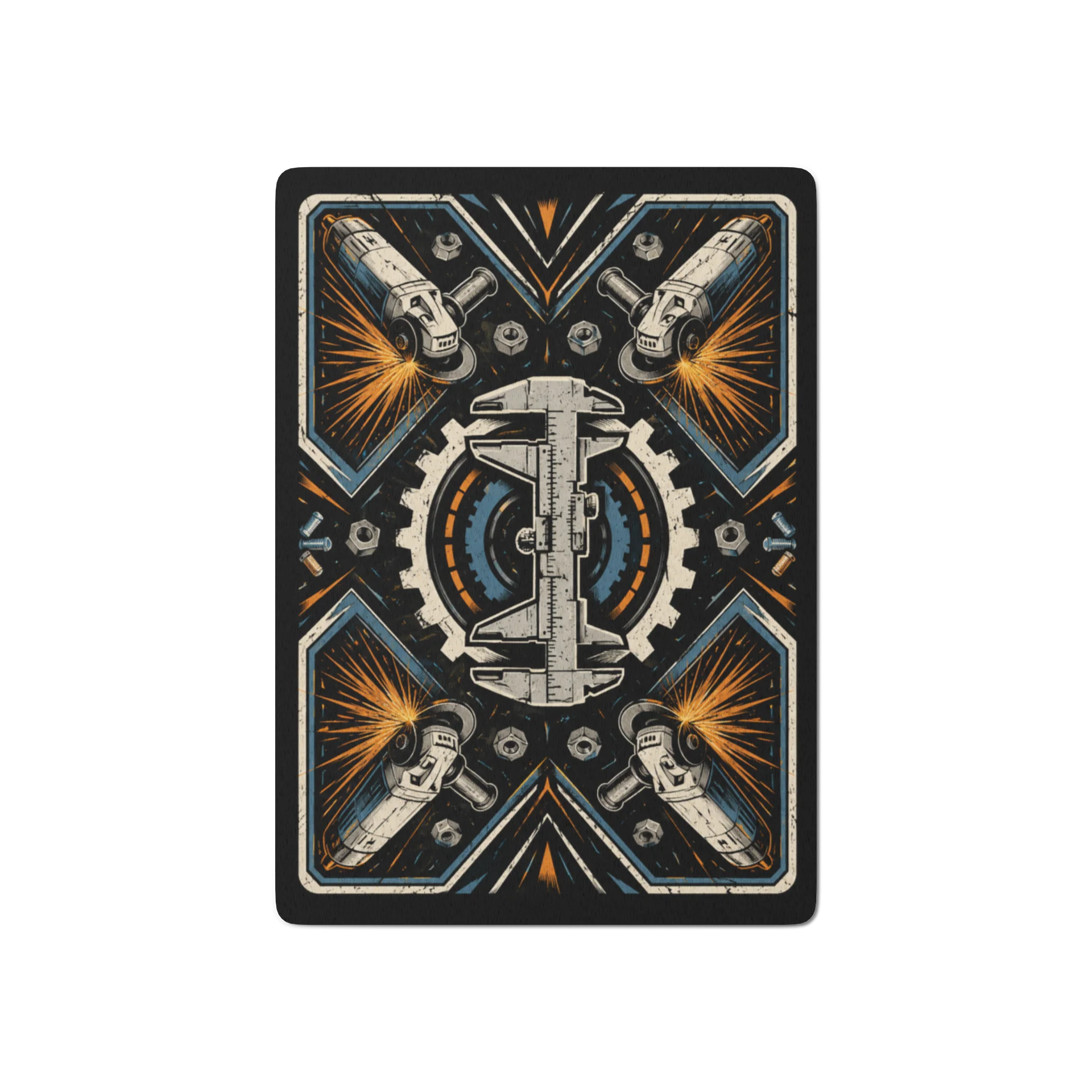 gear · AvailableSpark & Steel Playing Cards$20.00
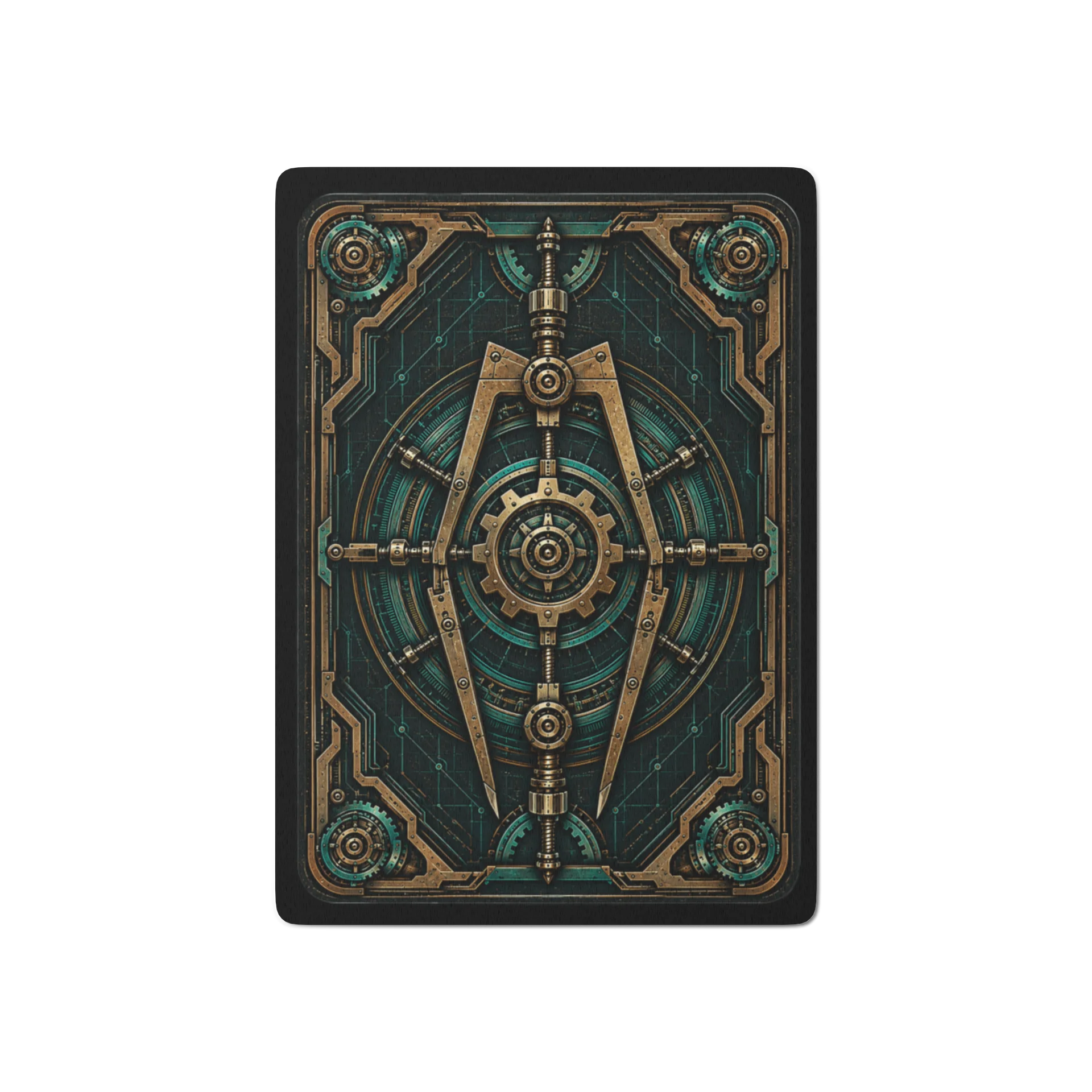 gear · AvailableThe Maker’s Blueprint Playing Cards$20.00
 gear · AvailableWacky Engineering Playing Cards$20.00
 gear · AvailableWacky Engineering Dark Mouse Pad$13.00
 gear · AvailableWacky Engineering Logo Mouse Pad$16.00
 stickers · AvailableLow Tolerance Sticker Pack$5.29
 stickers · AvailableConfidence First Sticker Pack$5.29
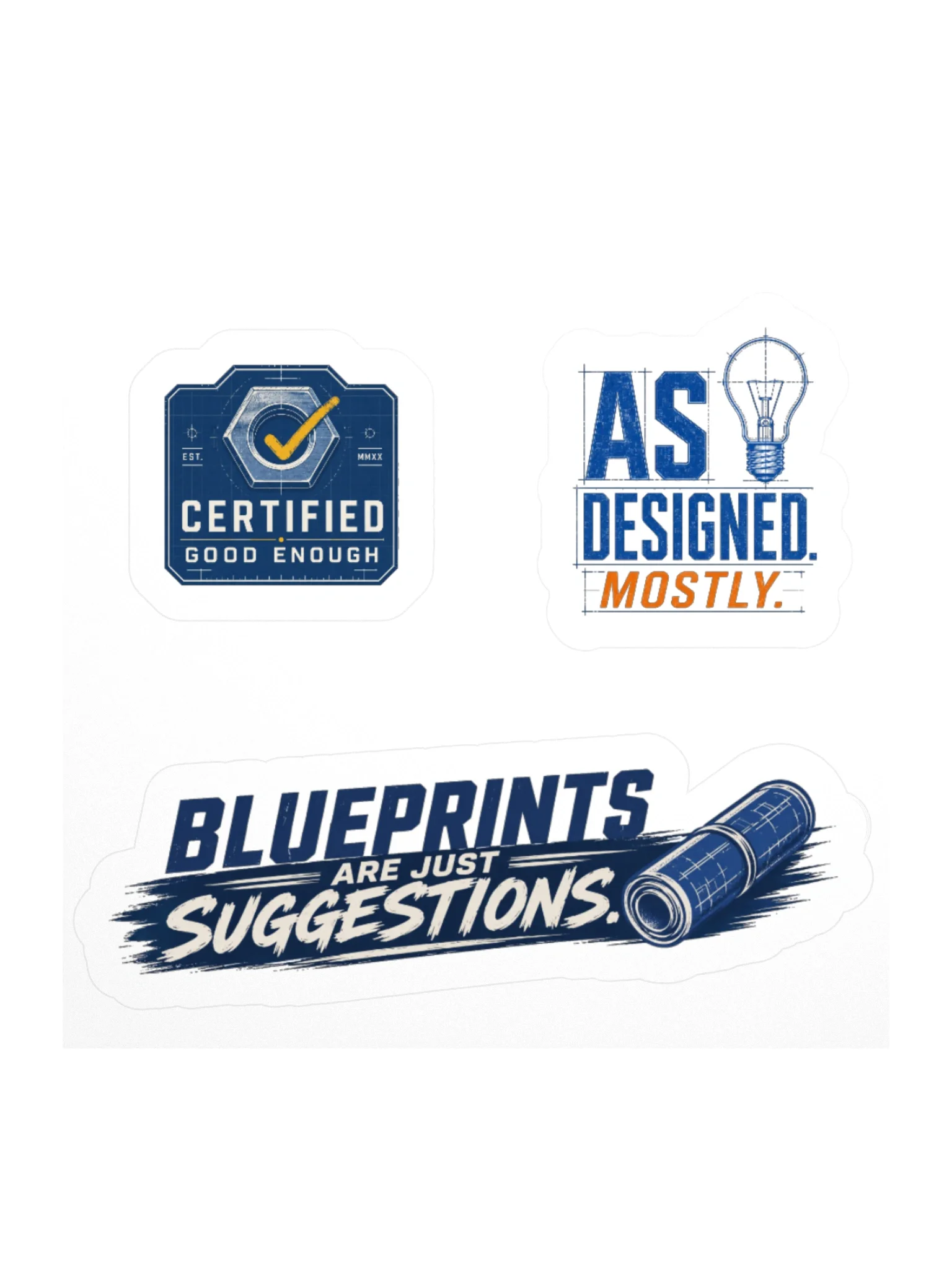 stickers · AvailableGood Enough by Design Sticker Pack$5.29
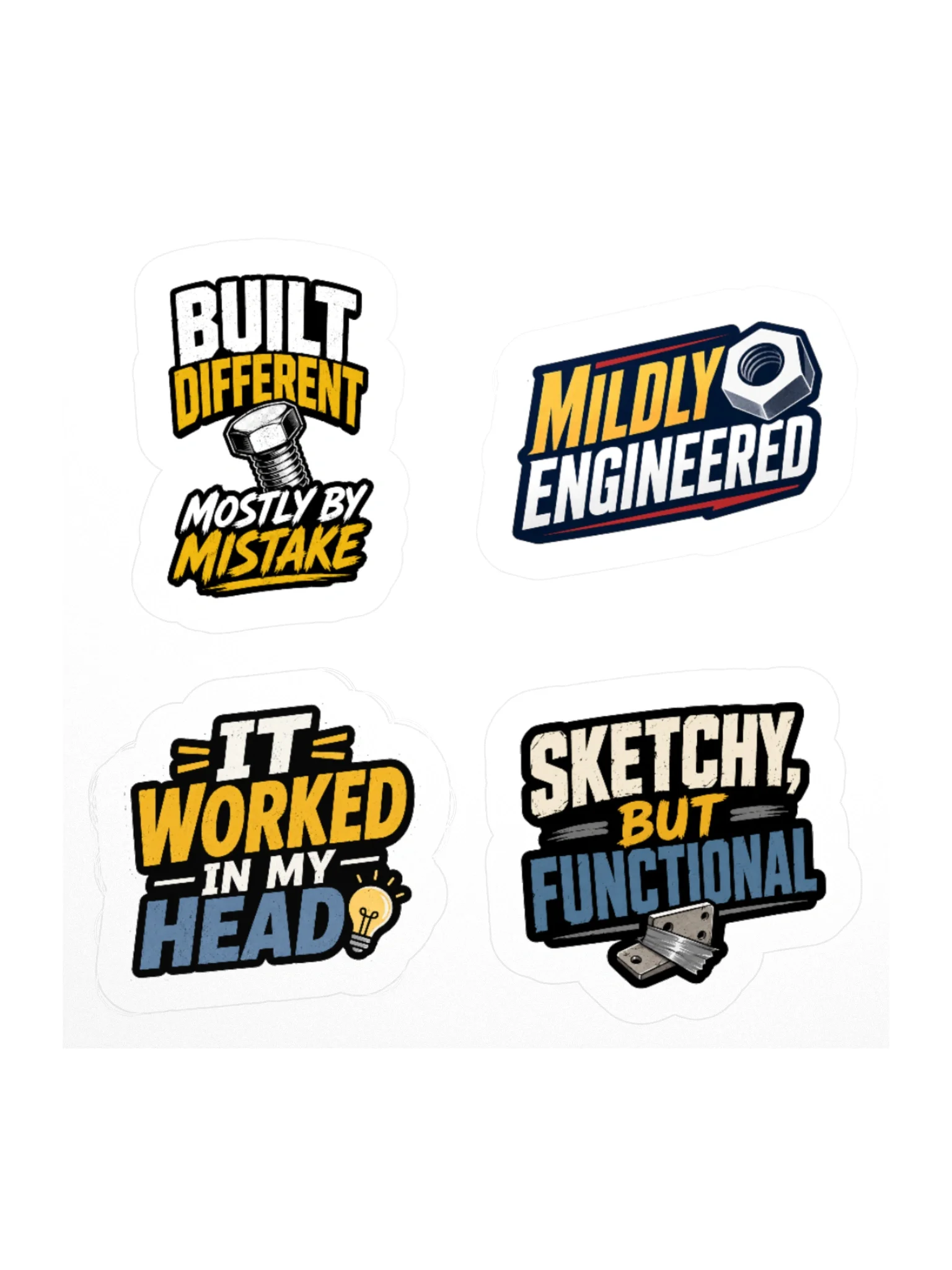 stickers · AvailableSketchy but Functional Sticker Pack$5.29
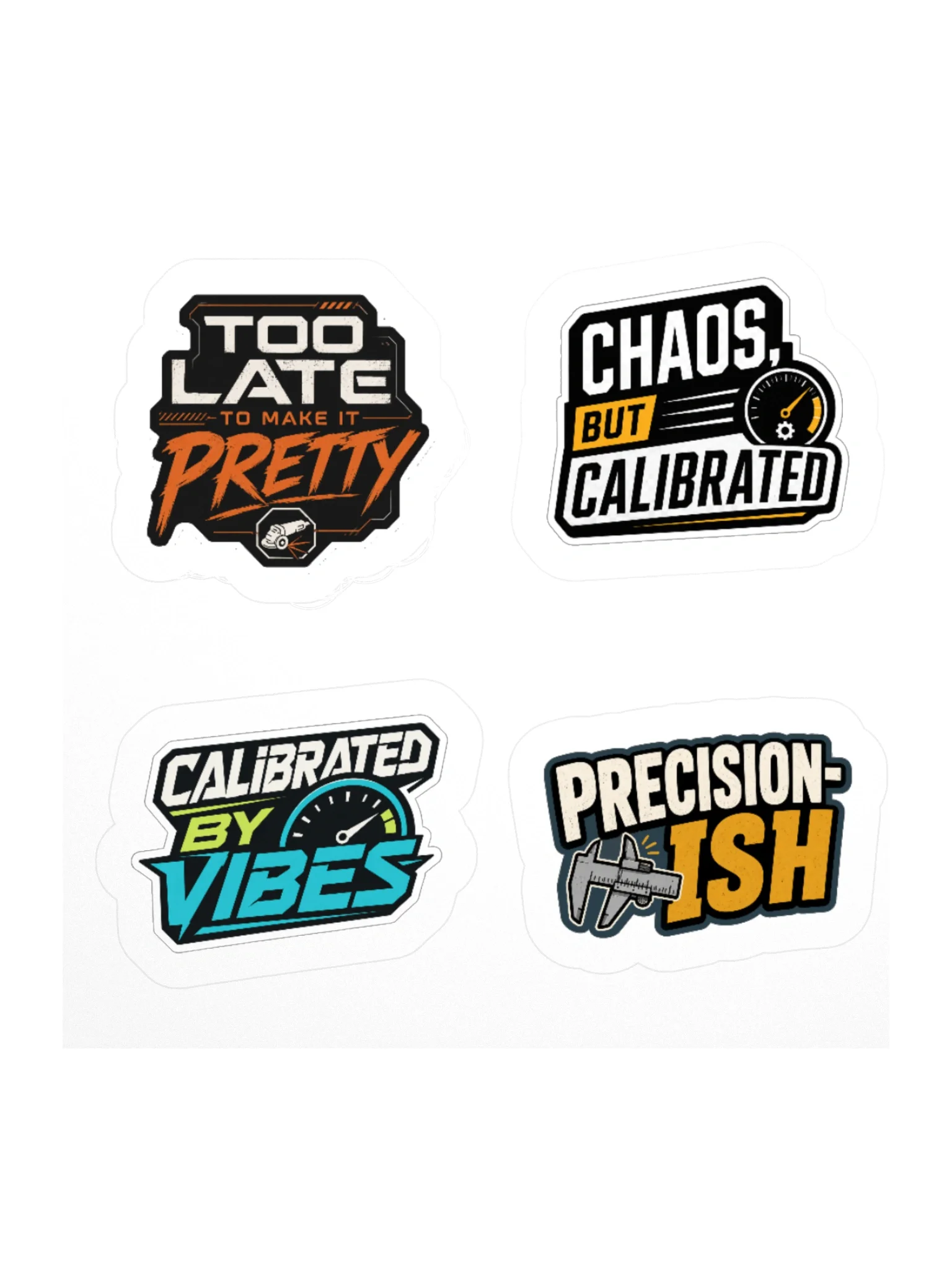 stickers · AvailableCalibrated Chaos Sticker Pack$5.29
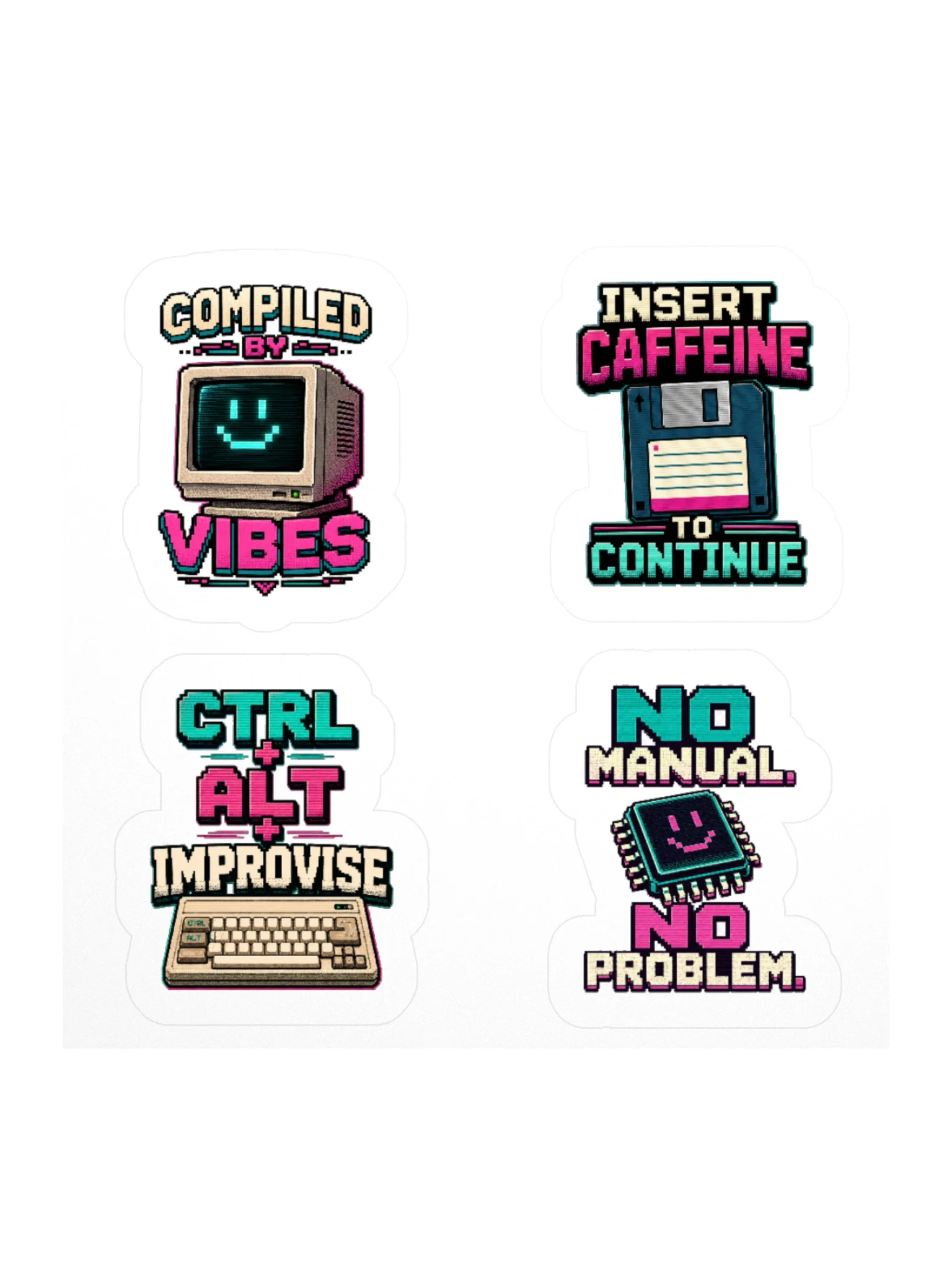 stickers · AvailableCompiled Chaos Sticker Pack$5.29
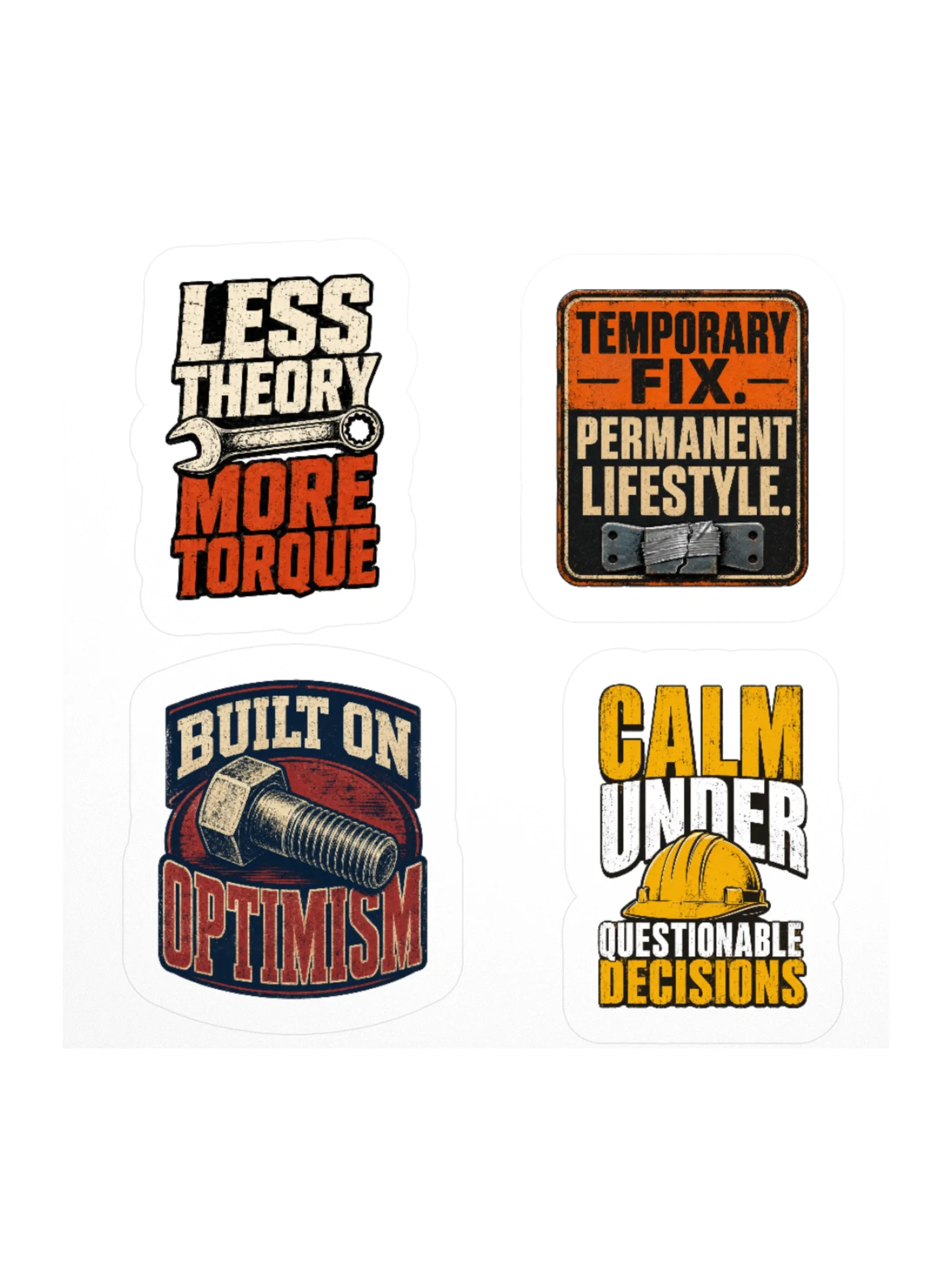 stickers · AvailableQuestionable Decisions Sticker Pack$5.29
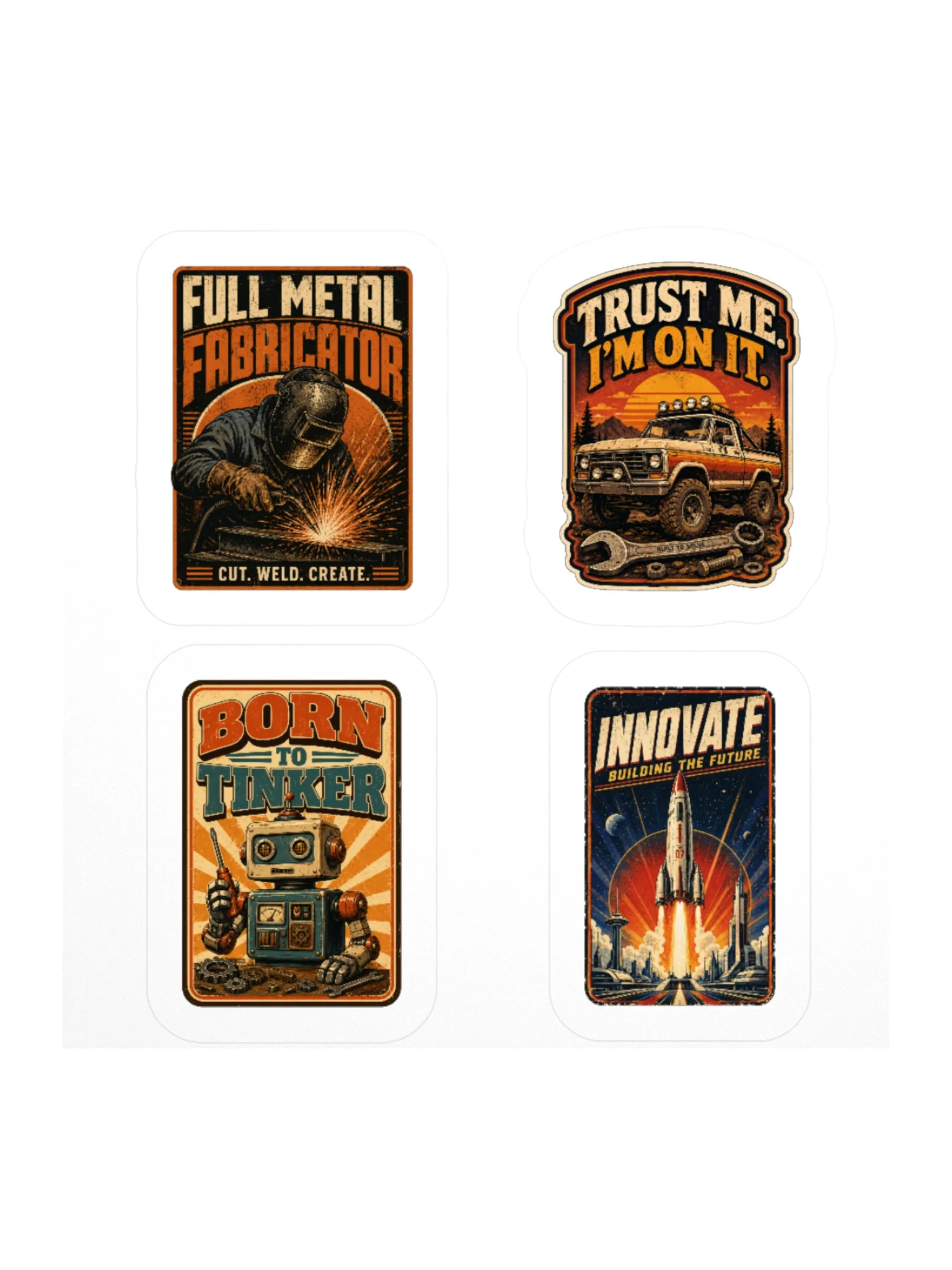 stickers · AvailableBuilt to Tinker Sticker Pack$5.29
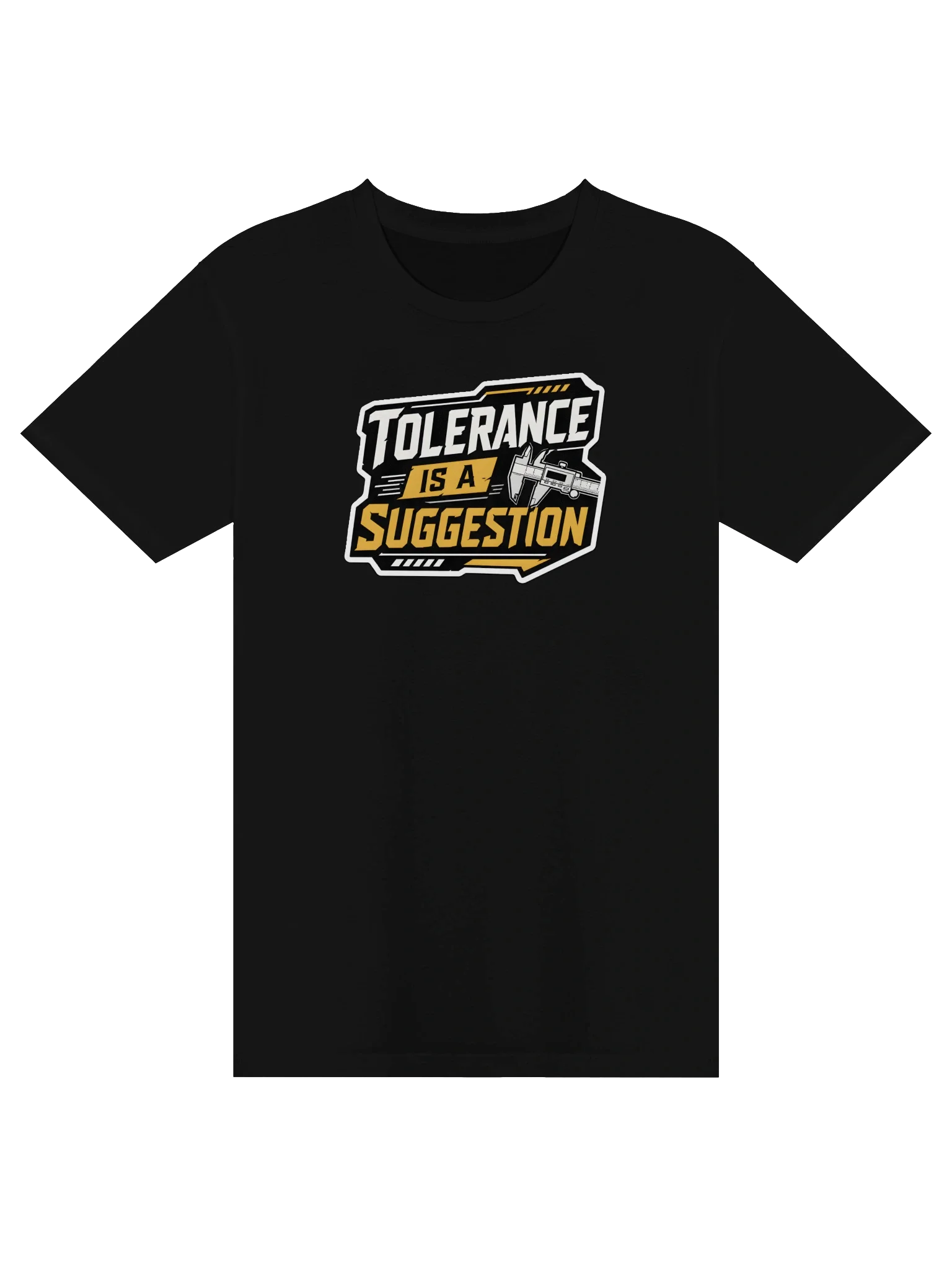 apparel · Available"Tolerance Is A Suggestion" Shirt$22.00
 candles · AvailableOG Wacky Engineering Soy Wax Candle$20.00
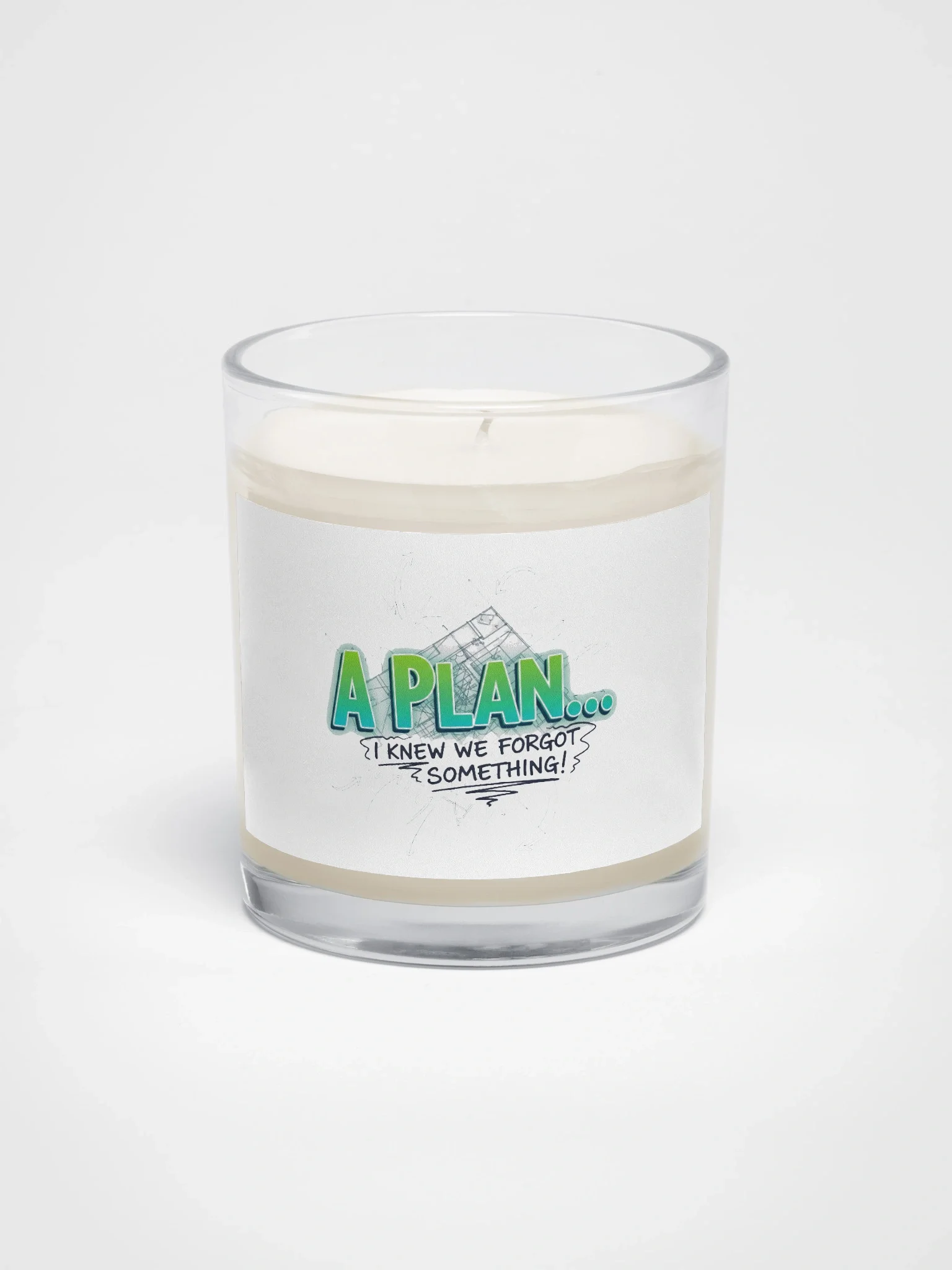 candles · AvailableA Plan... Soy Wax Candle$20.00
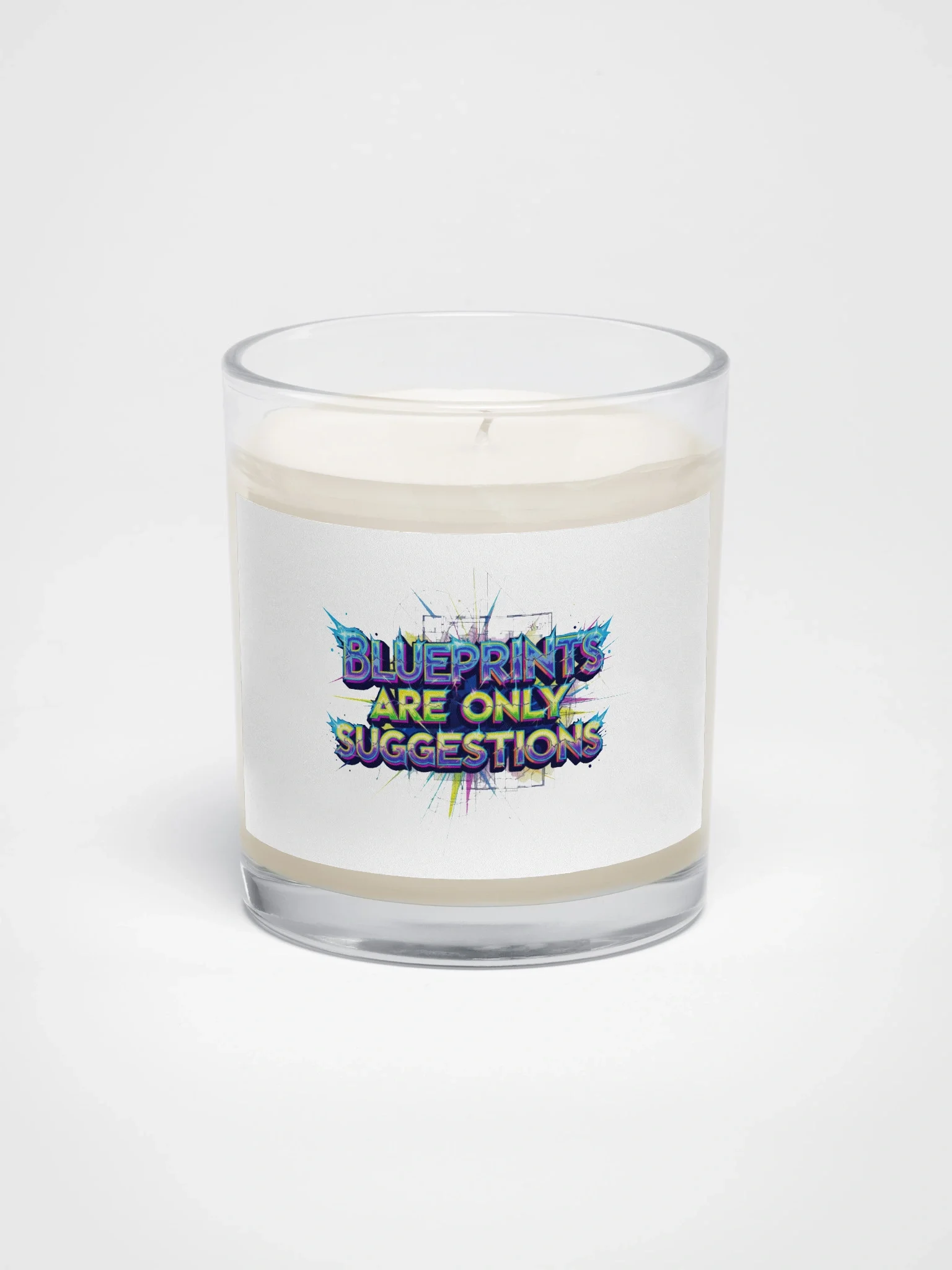 candles · AvailableEnergizing Blueprint Soy Candle$20.00
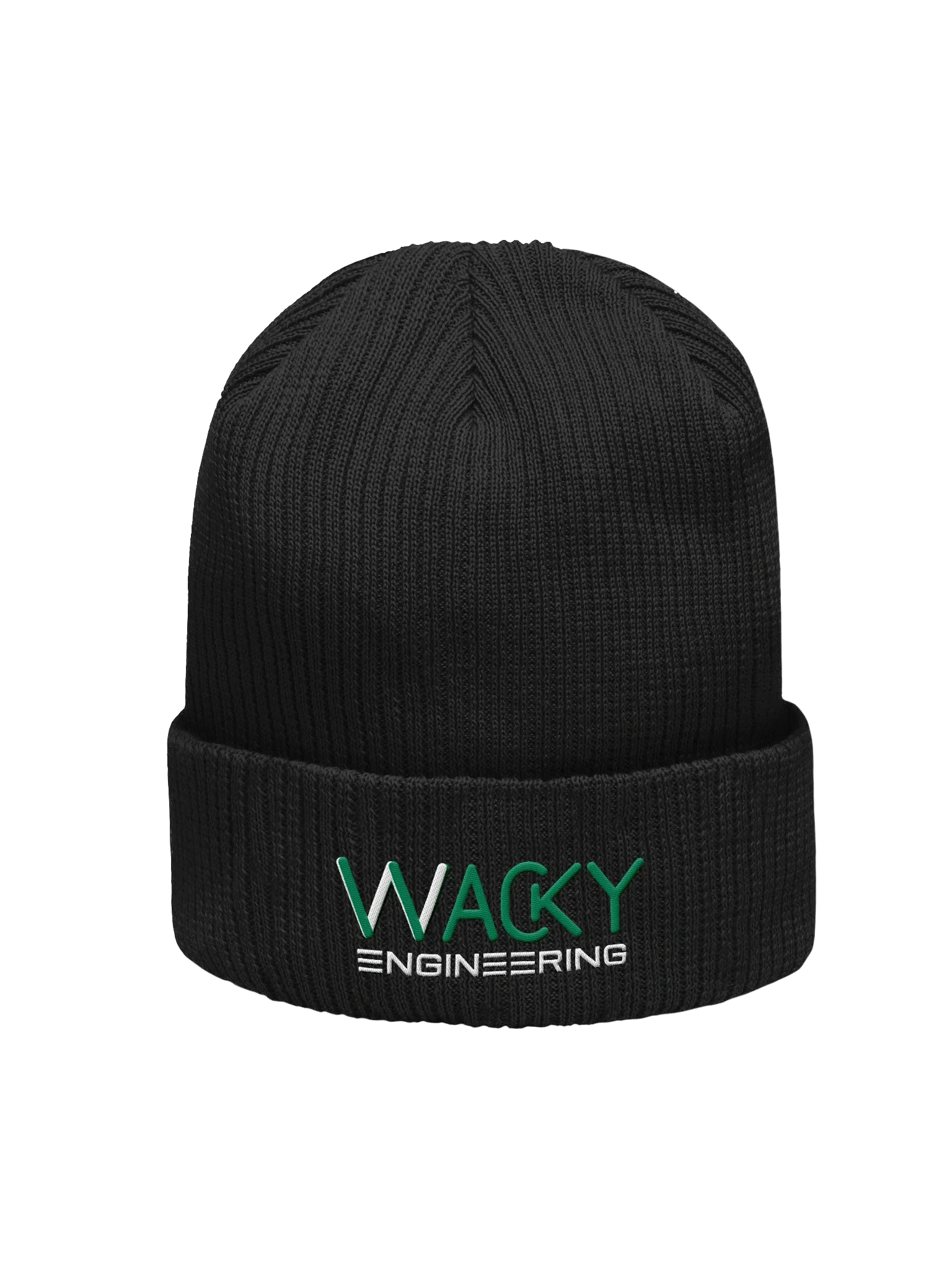 apparel · AvailableWACKY Essentials: Atlantis Organic Beanie$25.00
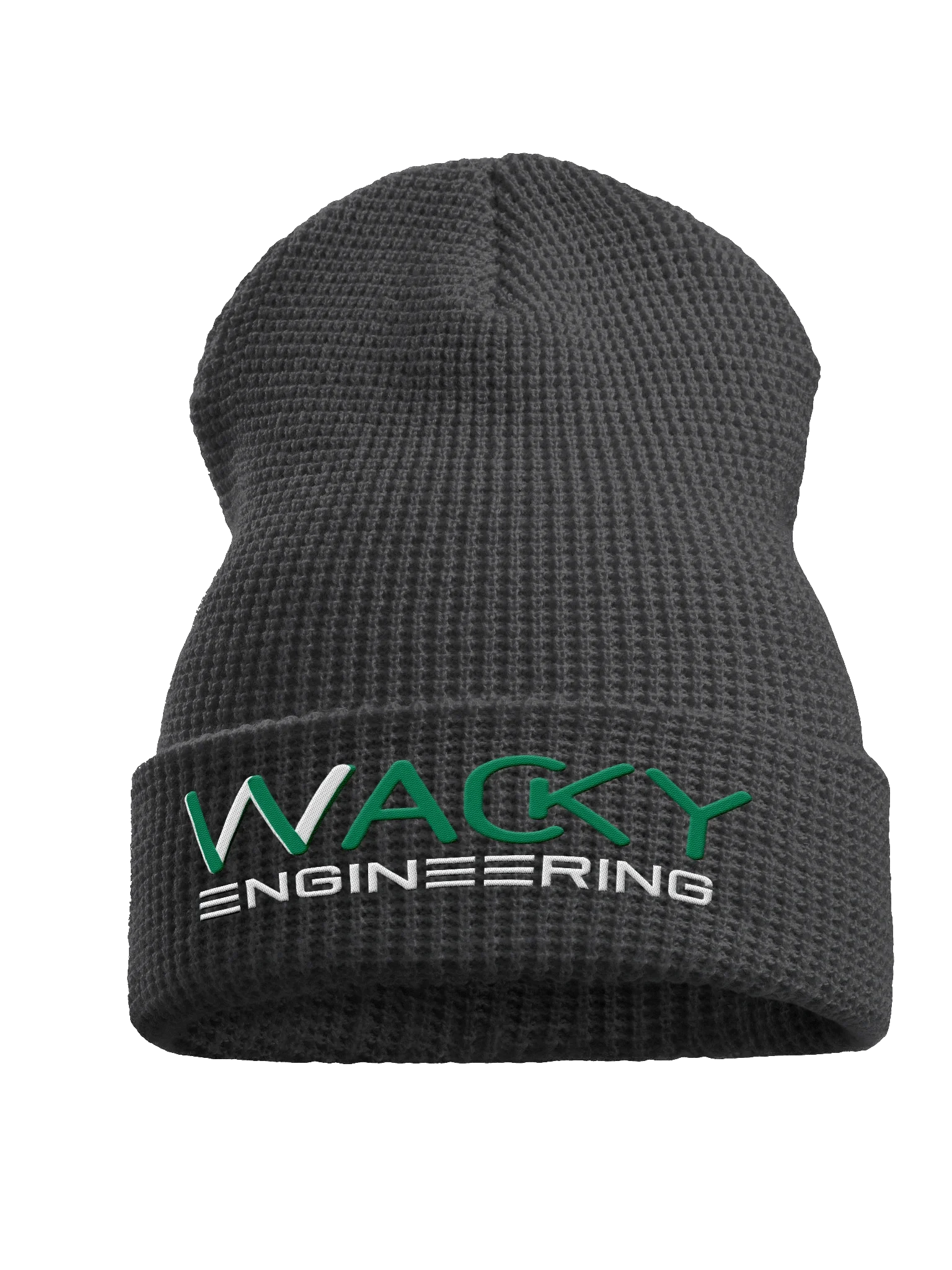 apparel · AvailableWacky Honeycomb Beanie$22.00
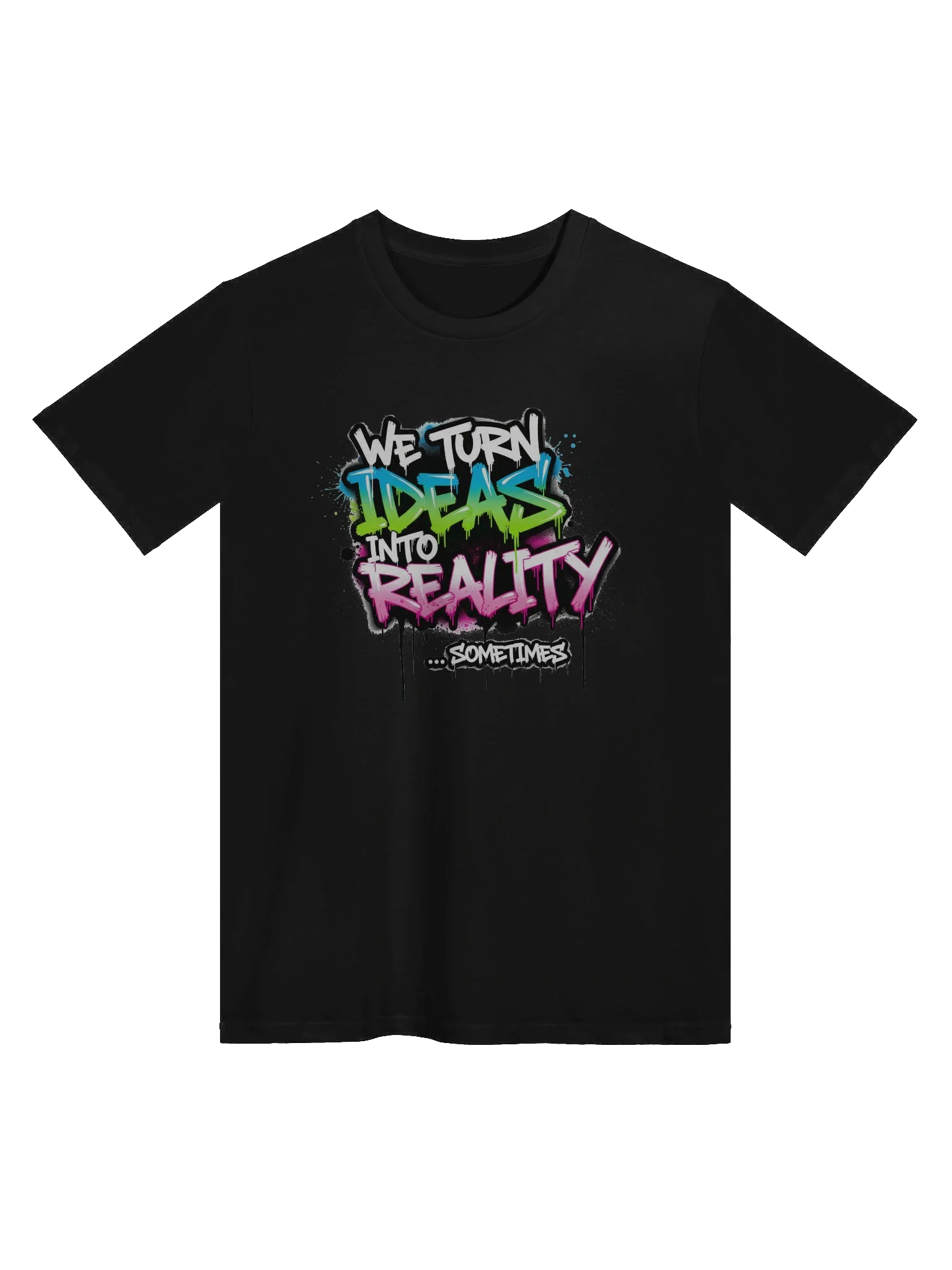 apparel · AvailableIdeas Into Reality Graffiti Tee$22.00
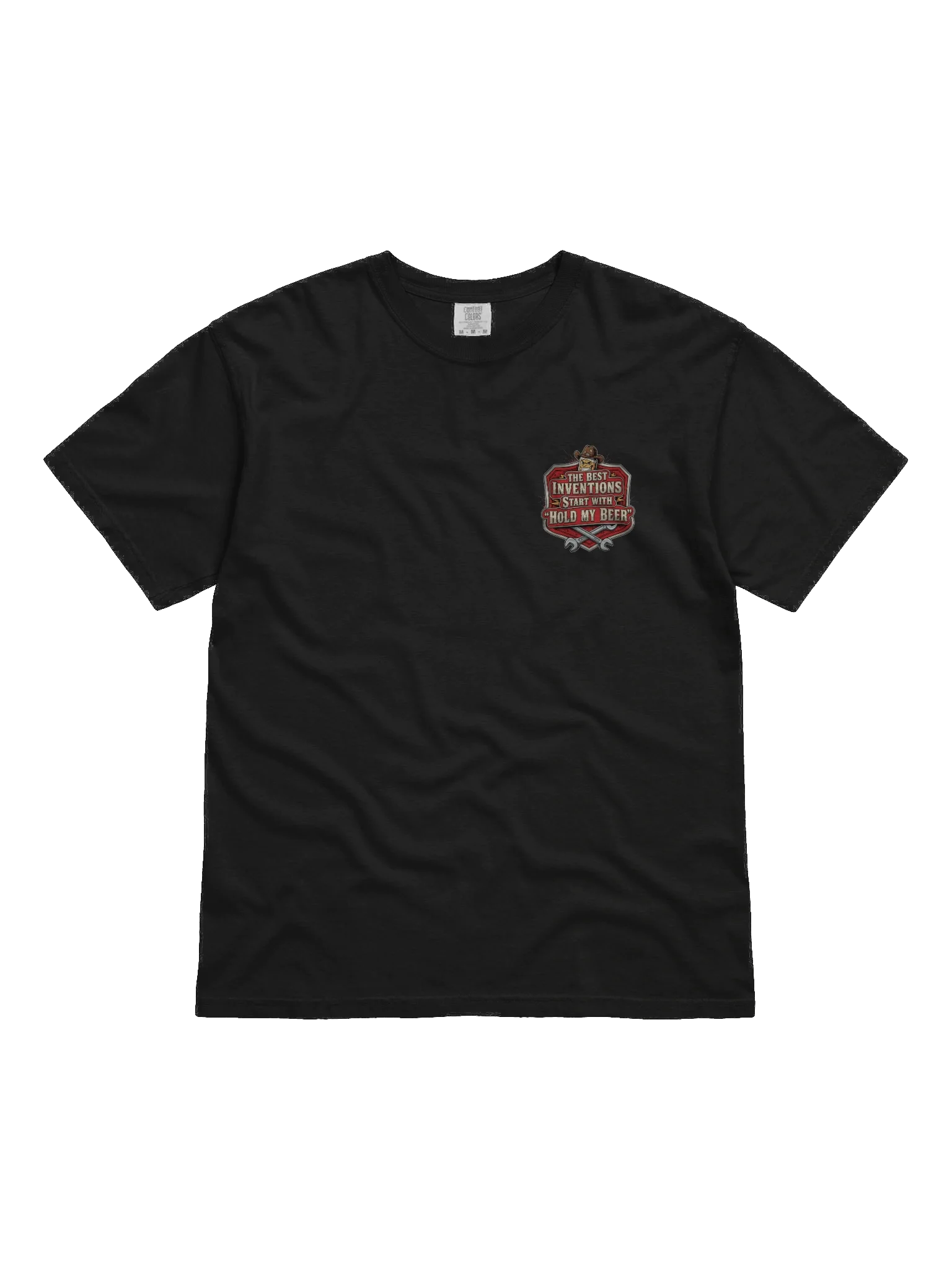 apparel · AvailableHold My Beer Emblem T-Shirt$22.00
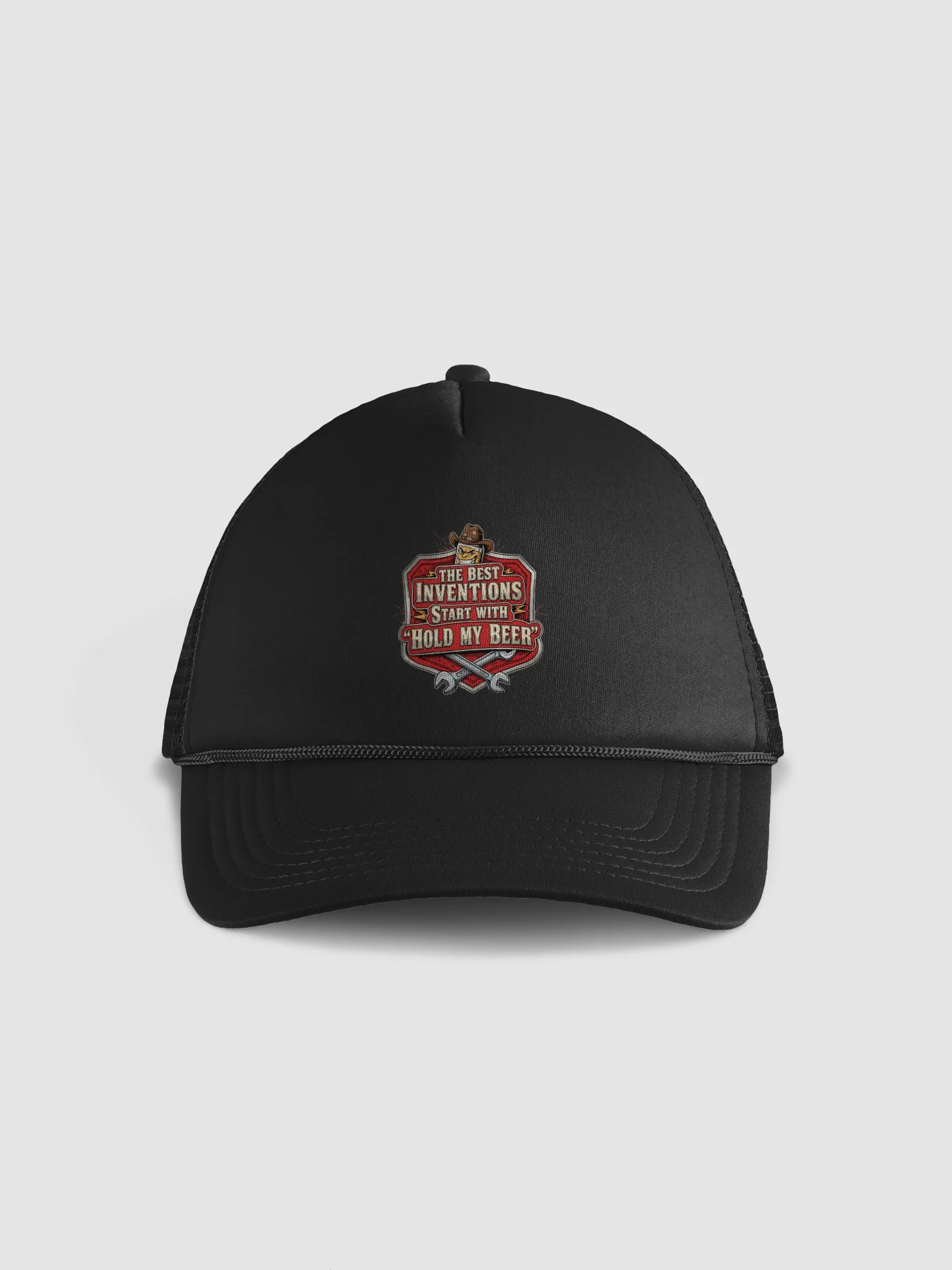 apparel · AvailableHold My Beer Foam Trucker Hat$20.00
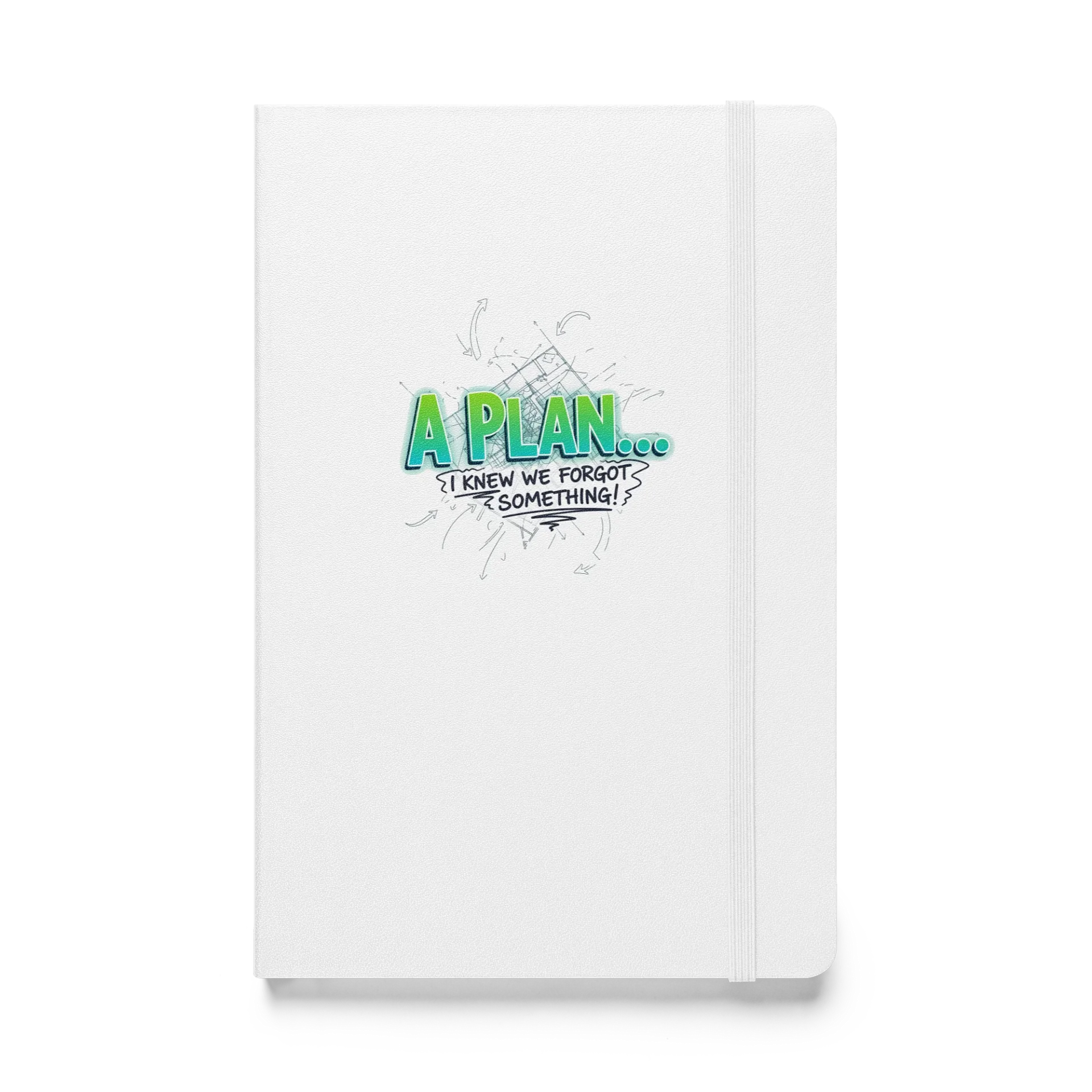 gear · AvailableInnovative Idea Journal - A Plan...$18.00
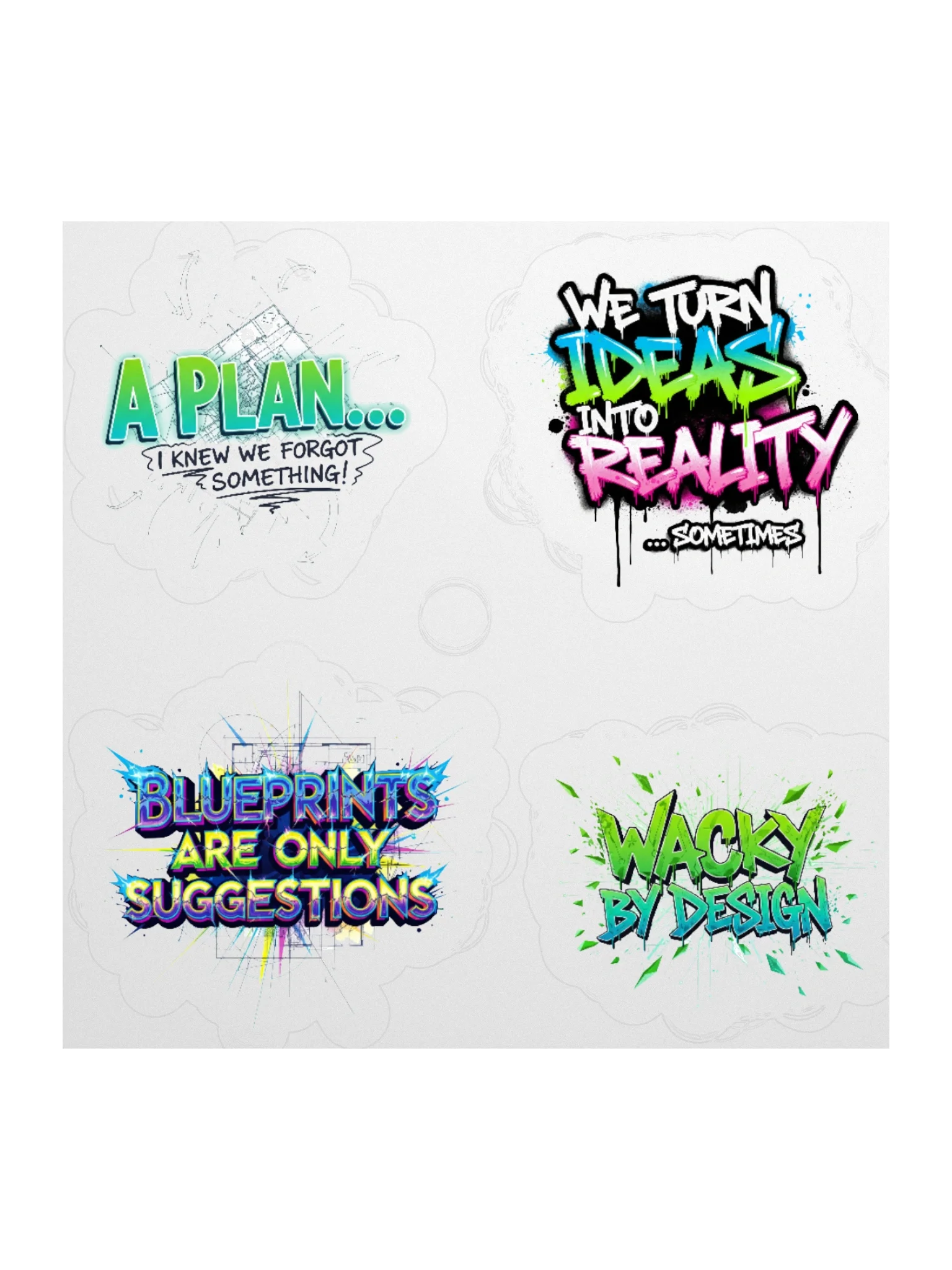 stickers · AvailableWacky Wisdom Sticker Set$5.50
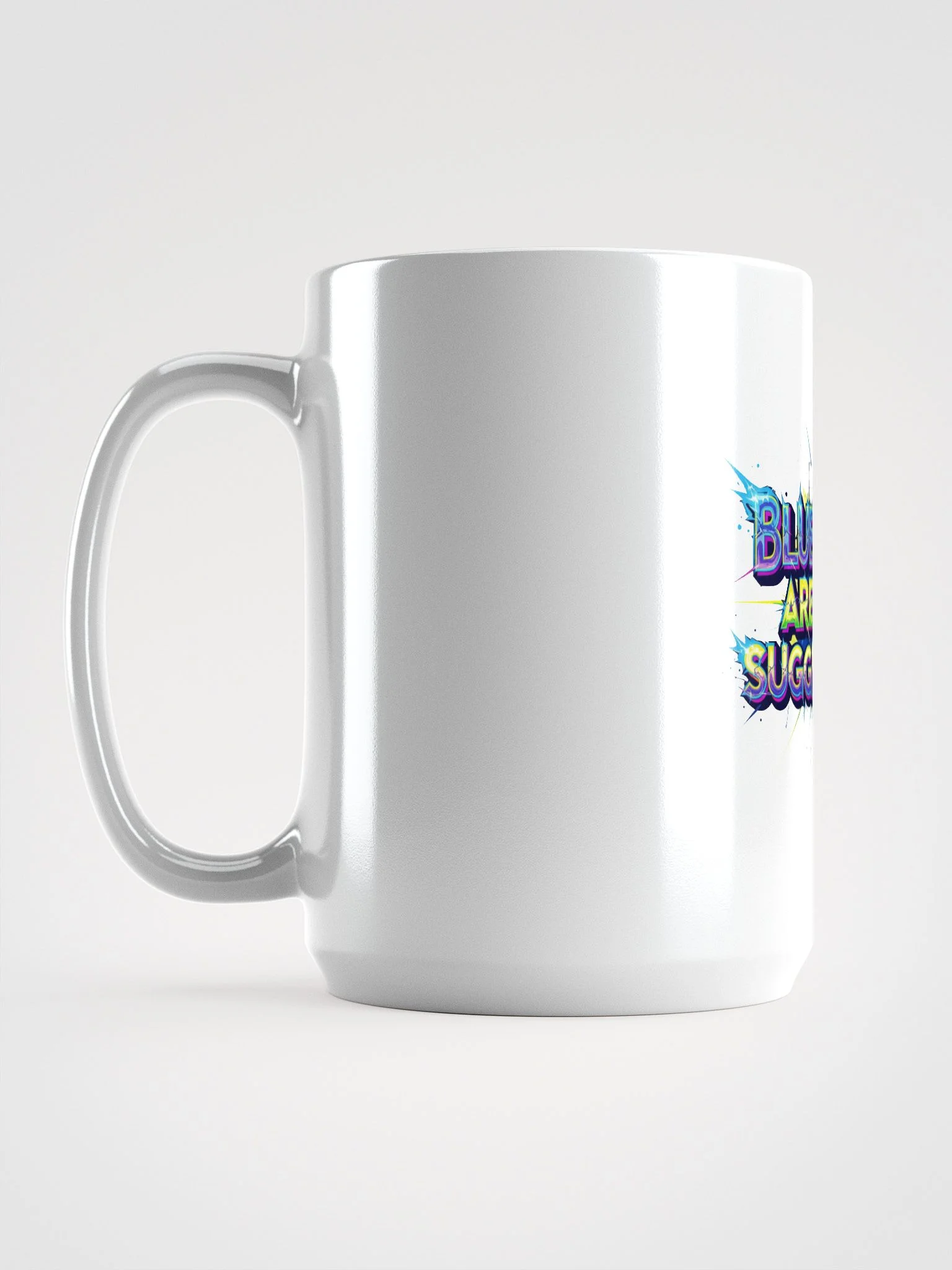 mugs · AvailableBlueprints Are Only Suggestions Mug$13.55
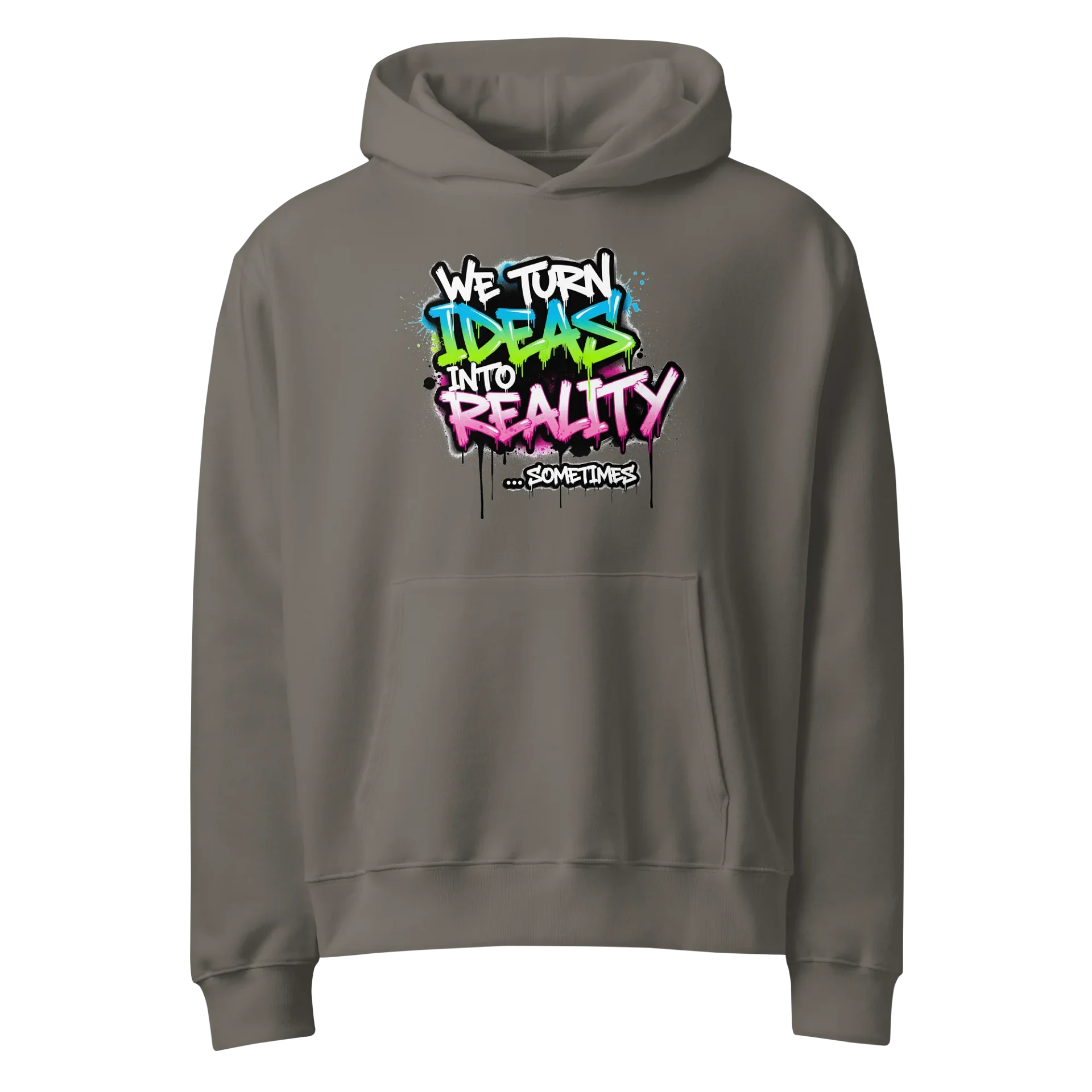 apparel · AvailableWe Turn Ideas Into Reality Oversized Hoodie$48.00
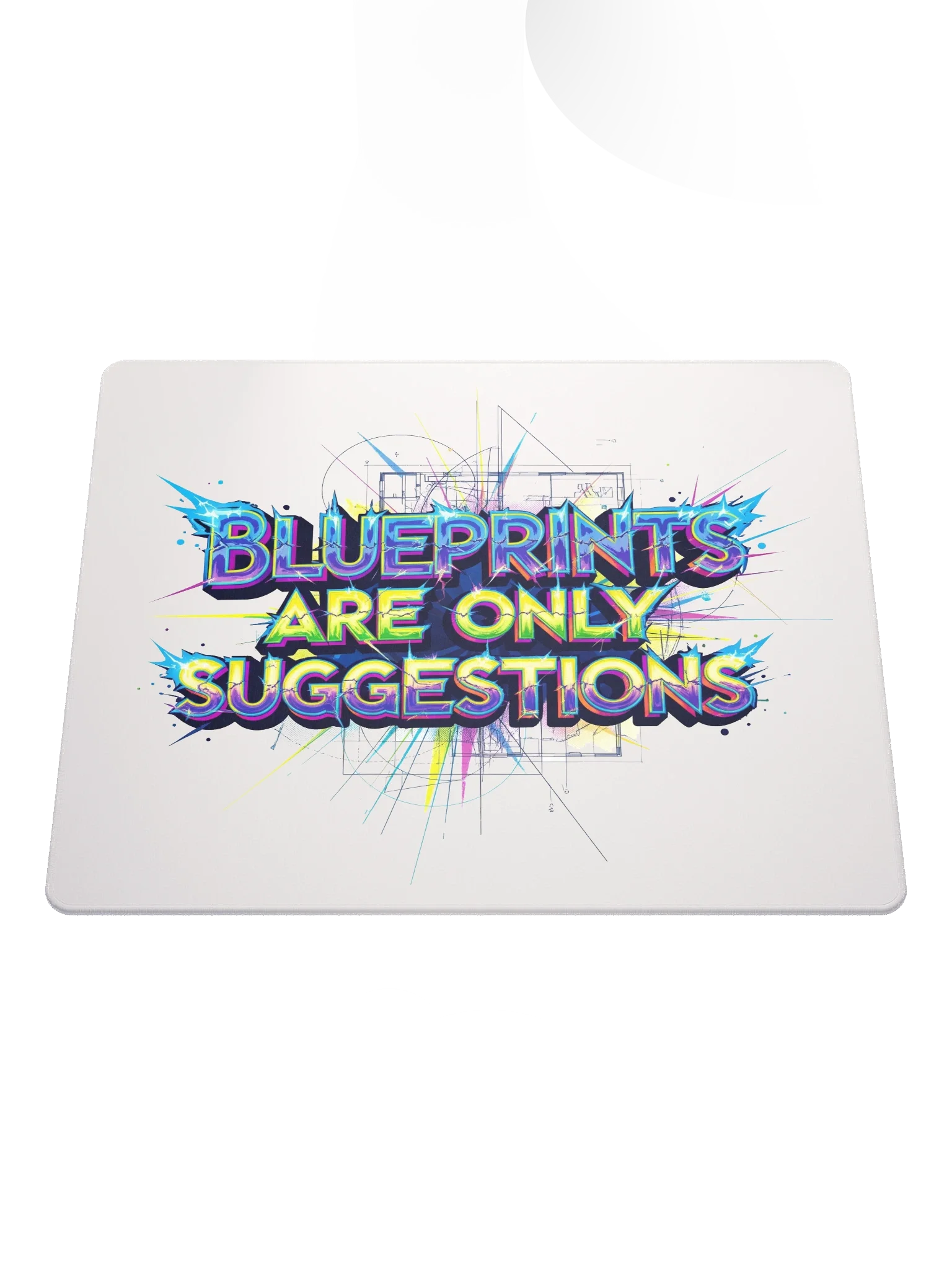 gear · AvailableBlueprints Are Only Suggestions Gaming Mouse Pad$18.00
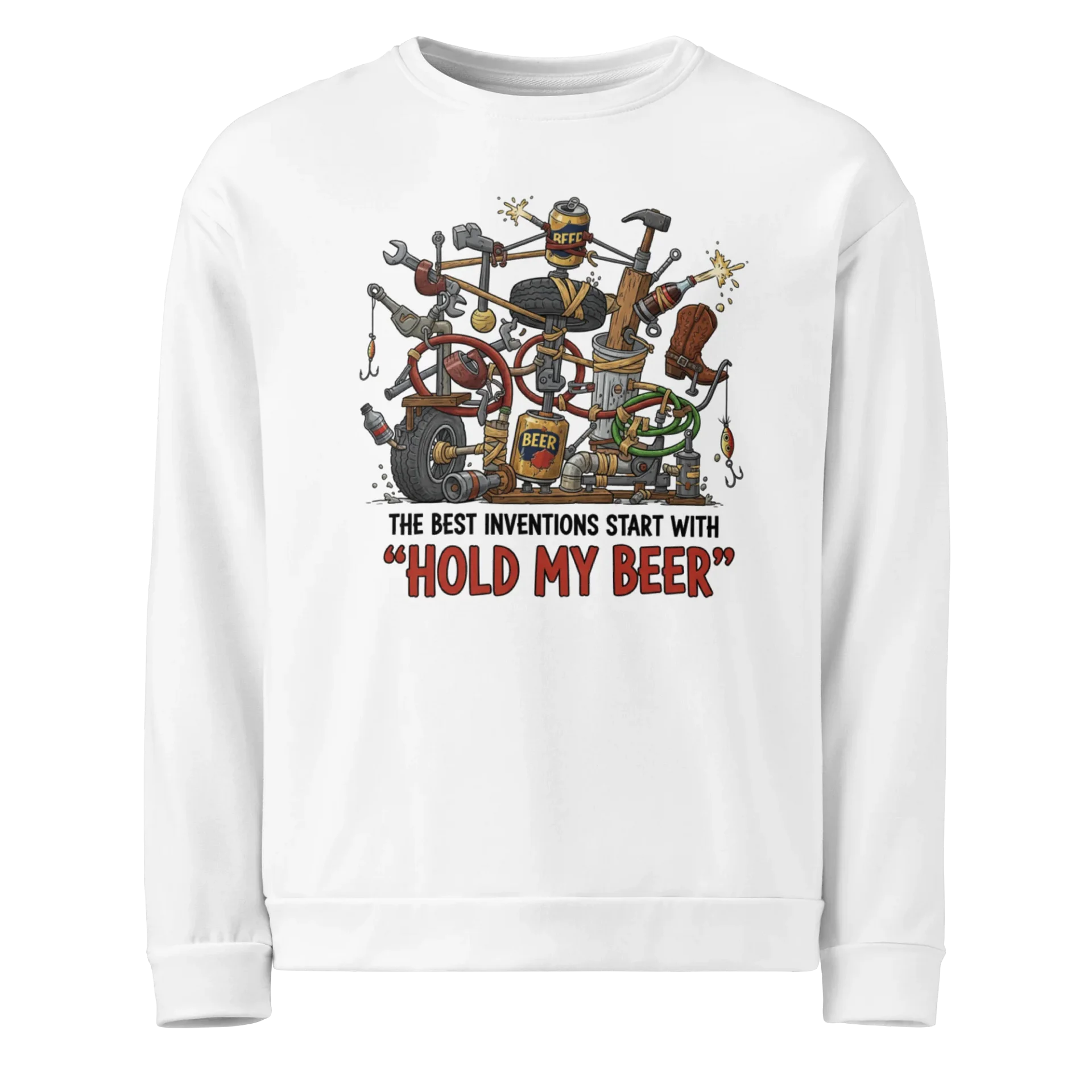 apparel · AvailableHold My Beer All-Over Print Sweatshirt$45.00
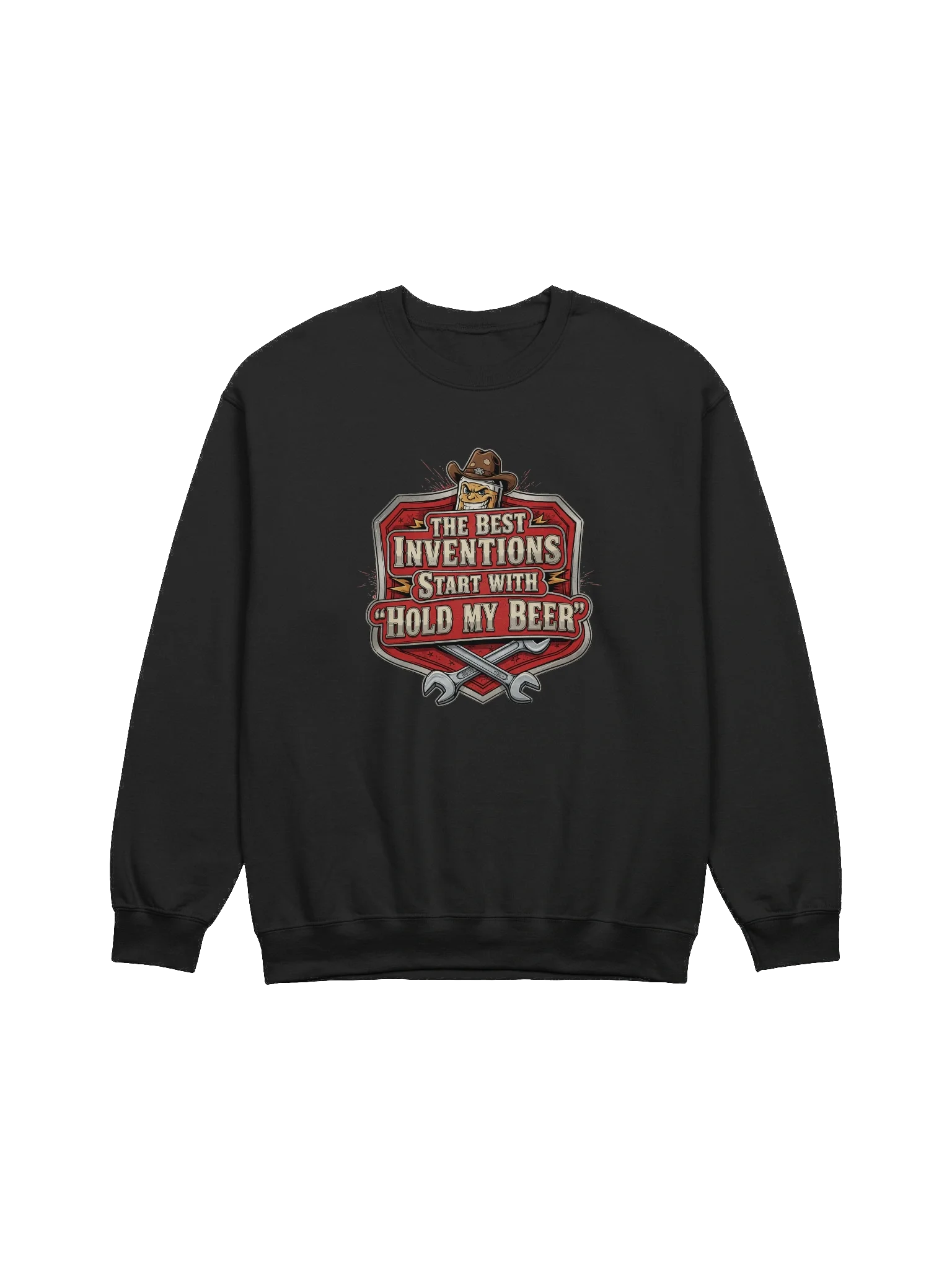 apparel · AvailableHold My Beer Inventions Sweatshirt$28.00
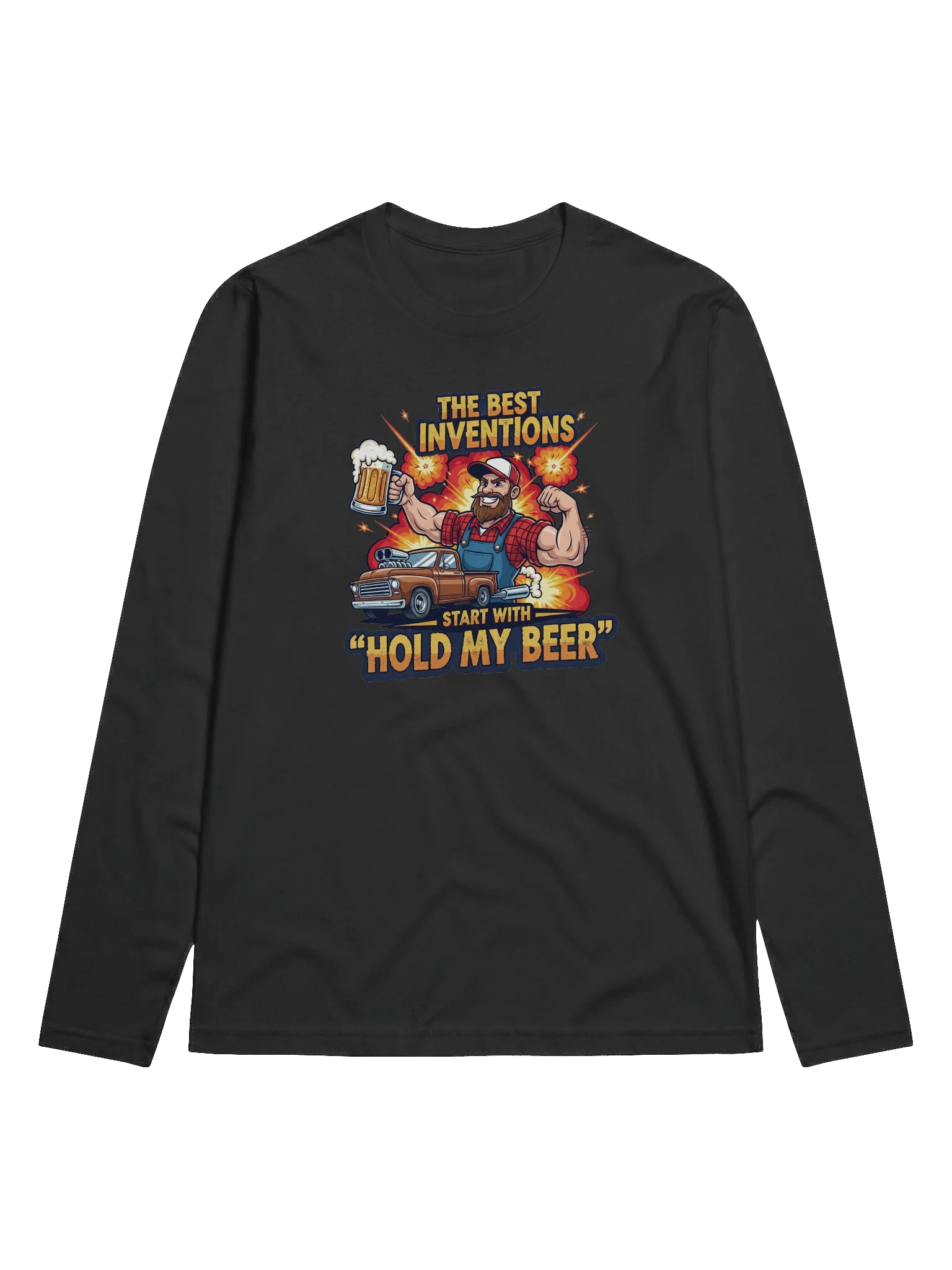 apparel · AvailableProject: Hold My Beer - Long Sleeve Shirt$30.00
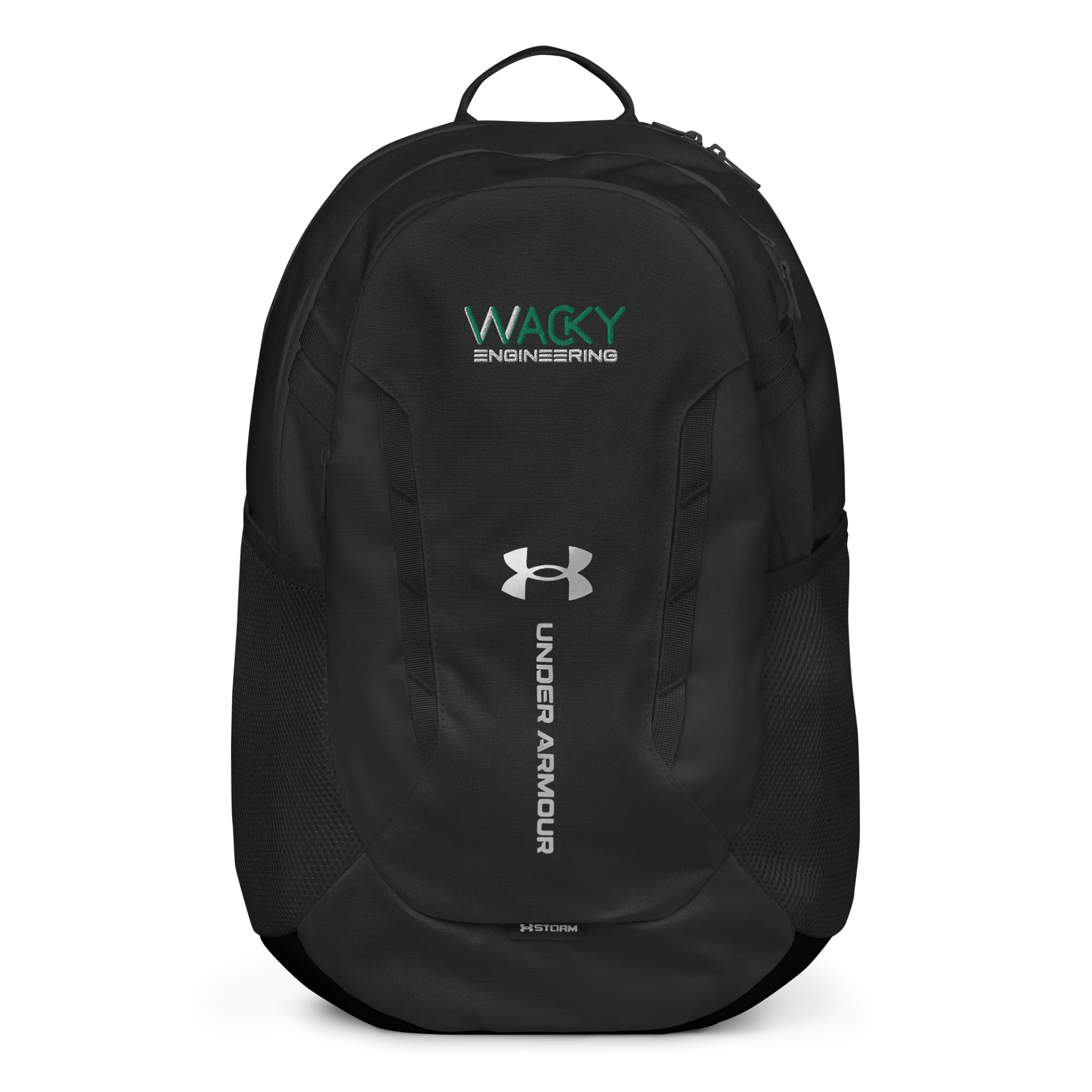 gear · AvailableWacky Engineering Adventure Backpack$75.00
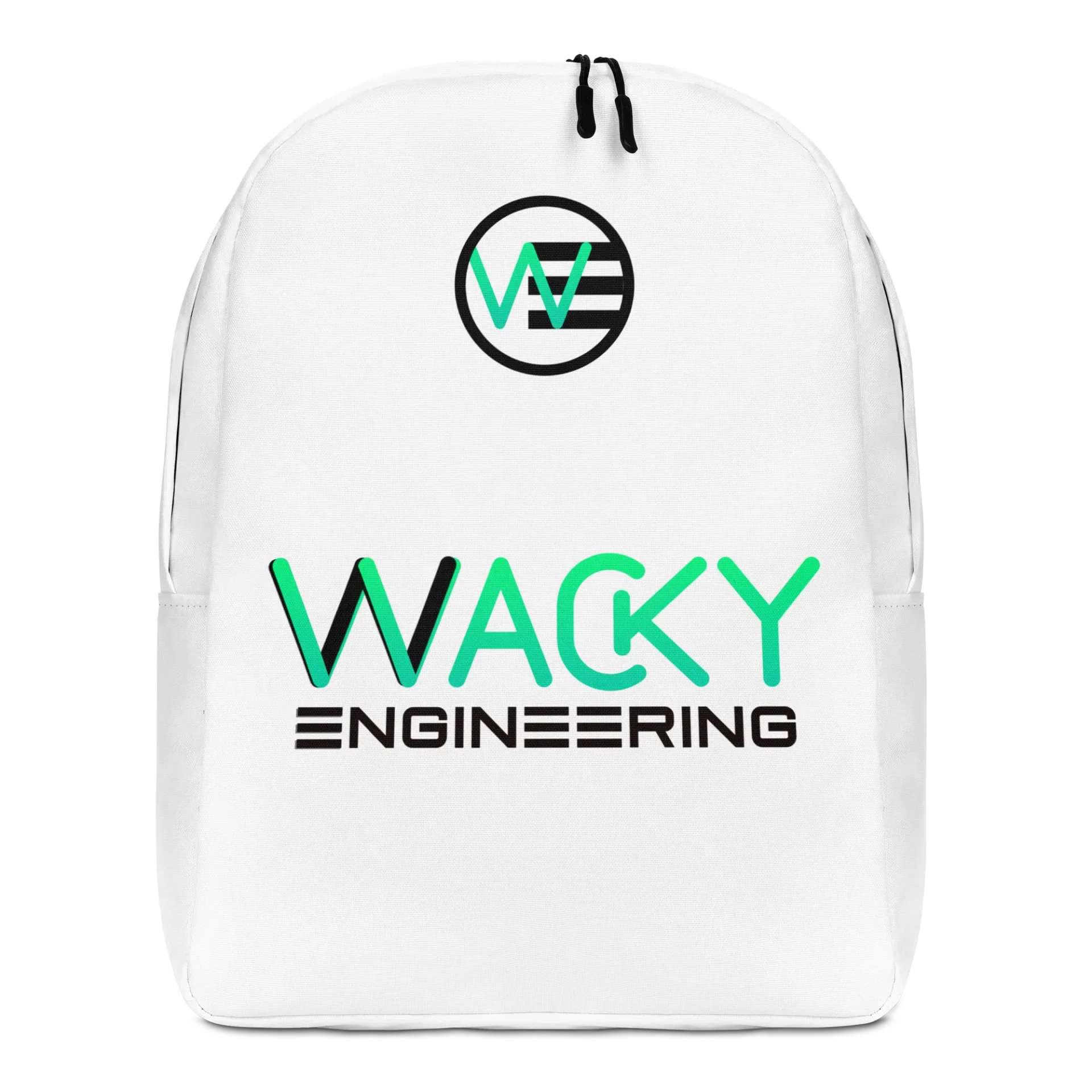 gear · AvailableWacky Engineering Logo Backpack$45.00
 gear · AvailableWacky By Design All-Over Print Pillow$26.00
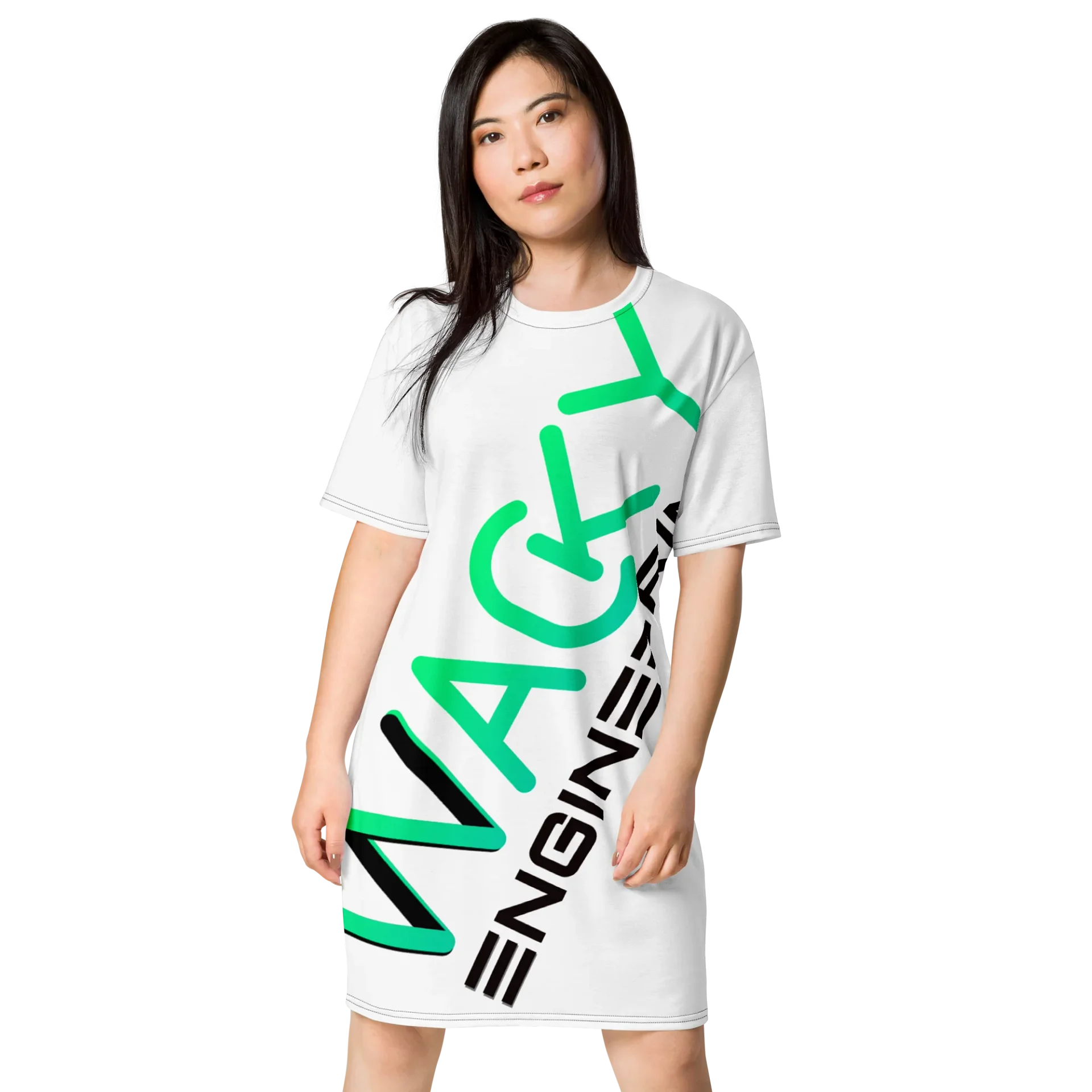 apparel · AvailableIconic Print T-Shirt Dress$35.00
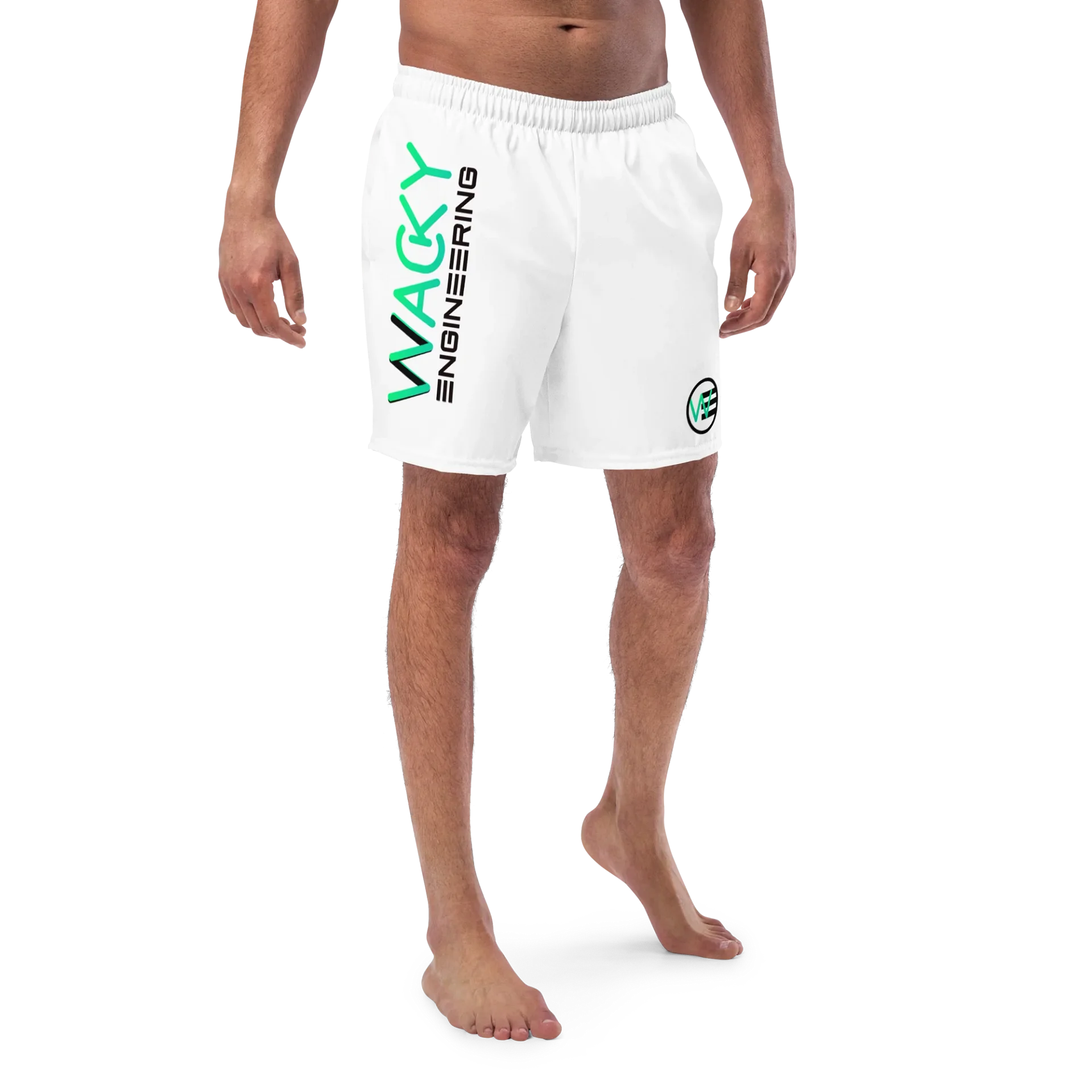 gear · AvailableWacky Engineering Men's Swim Trunks$45.00
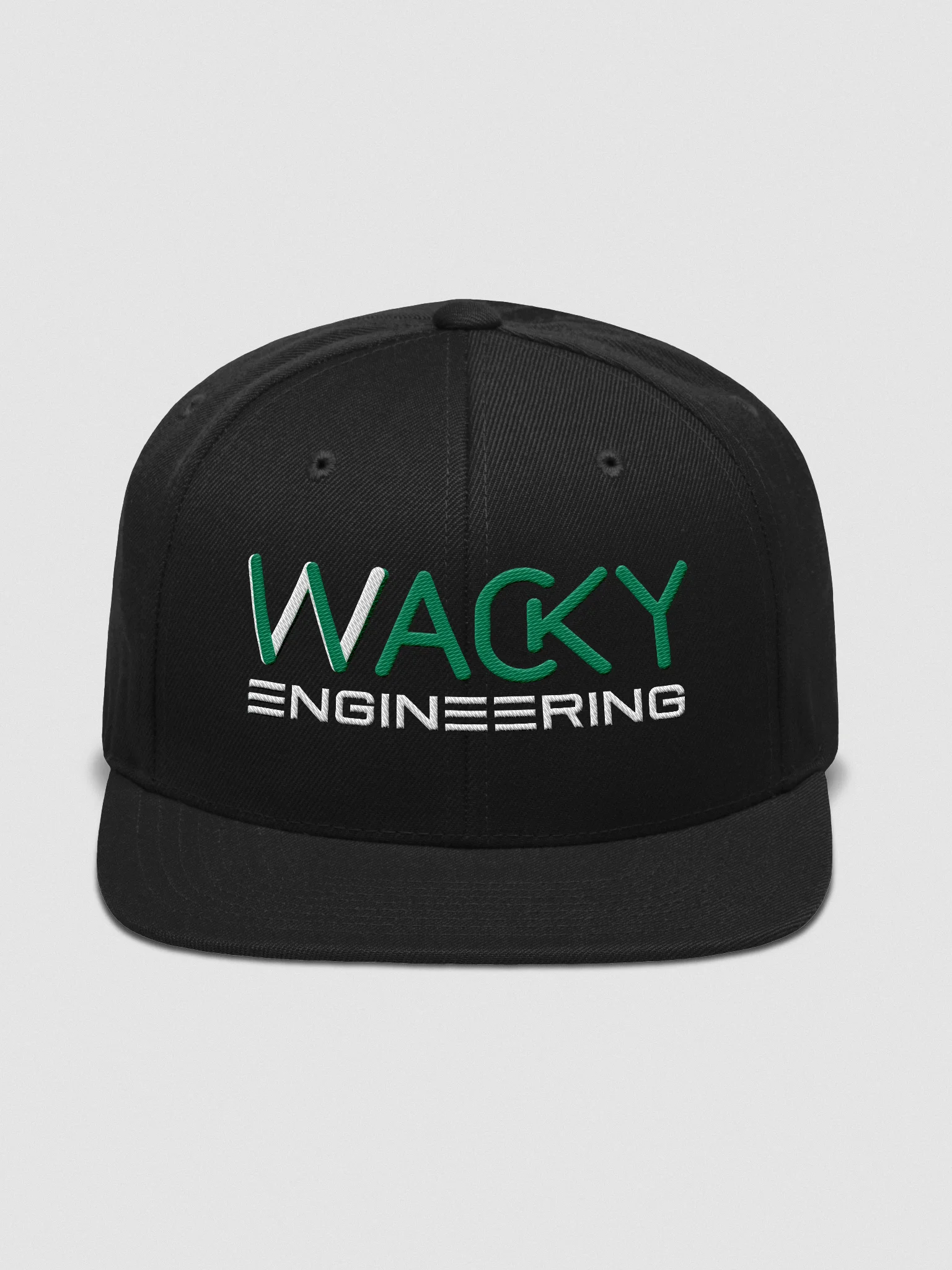 gear · AvailableWacky Engineering Logo Snapback$25.00
 gear · AvailableWACKY ENGINEERING DESK MAT - GRAY$23.00
 gear · AvailableWACKY ENGINEERING DESK MAT - DARK MODE$23.00
 apparel · Available“Fuses Are For Quitters” Organic Cotton Tee$20.00
 apparel · Available“Why Buy It When I Can Overbuild It Myself” Tee$15.00
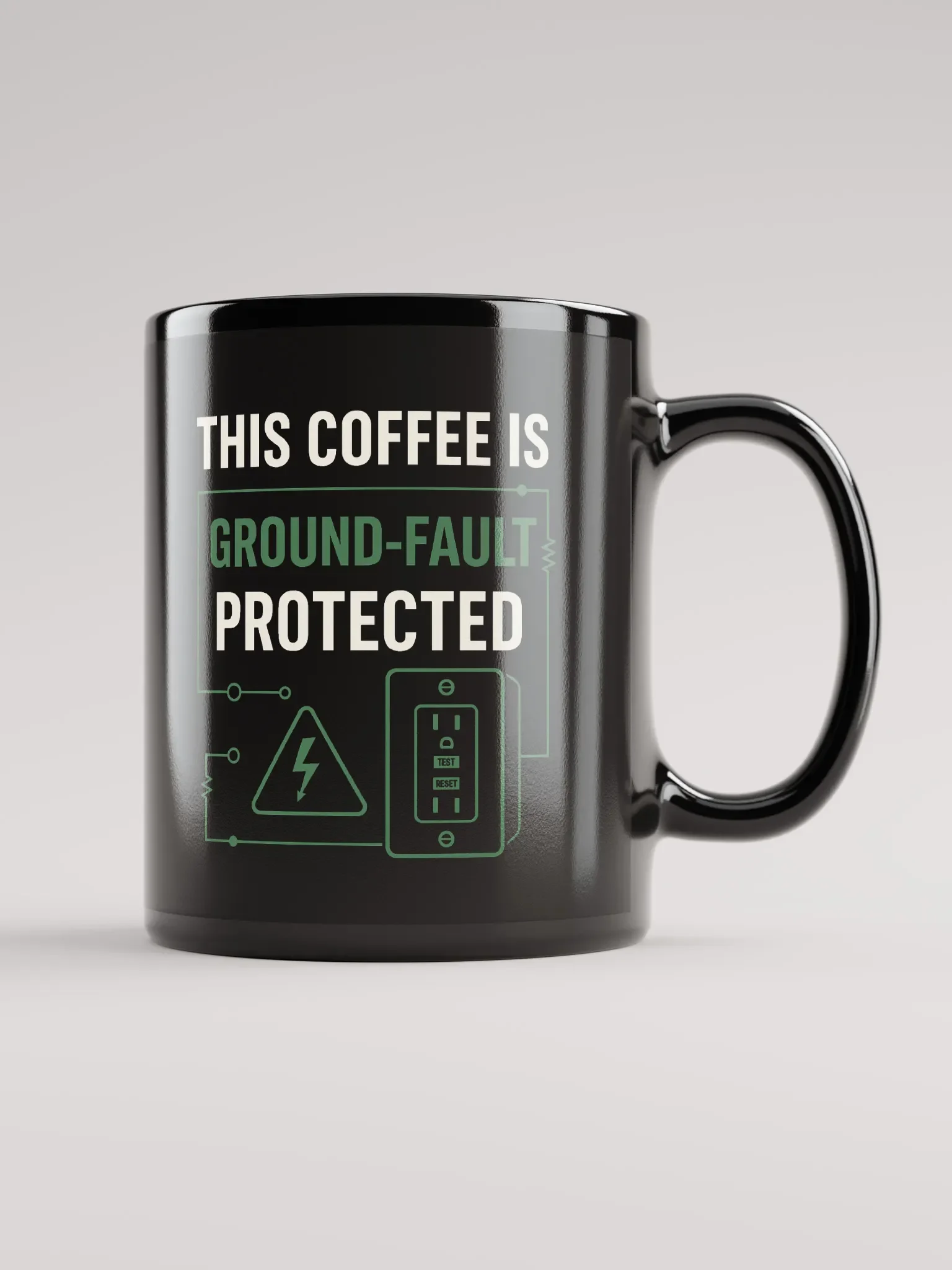 mugs · Available“This Coffee Is Ground-Fault Protected” Black Mug$14.00
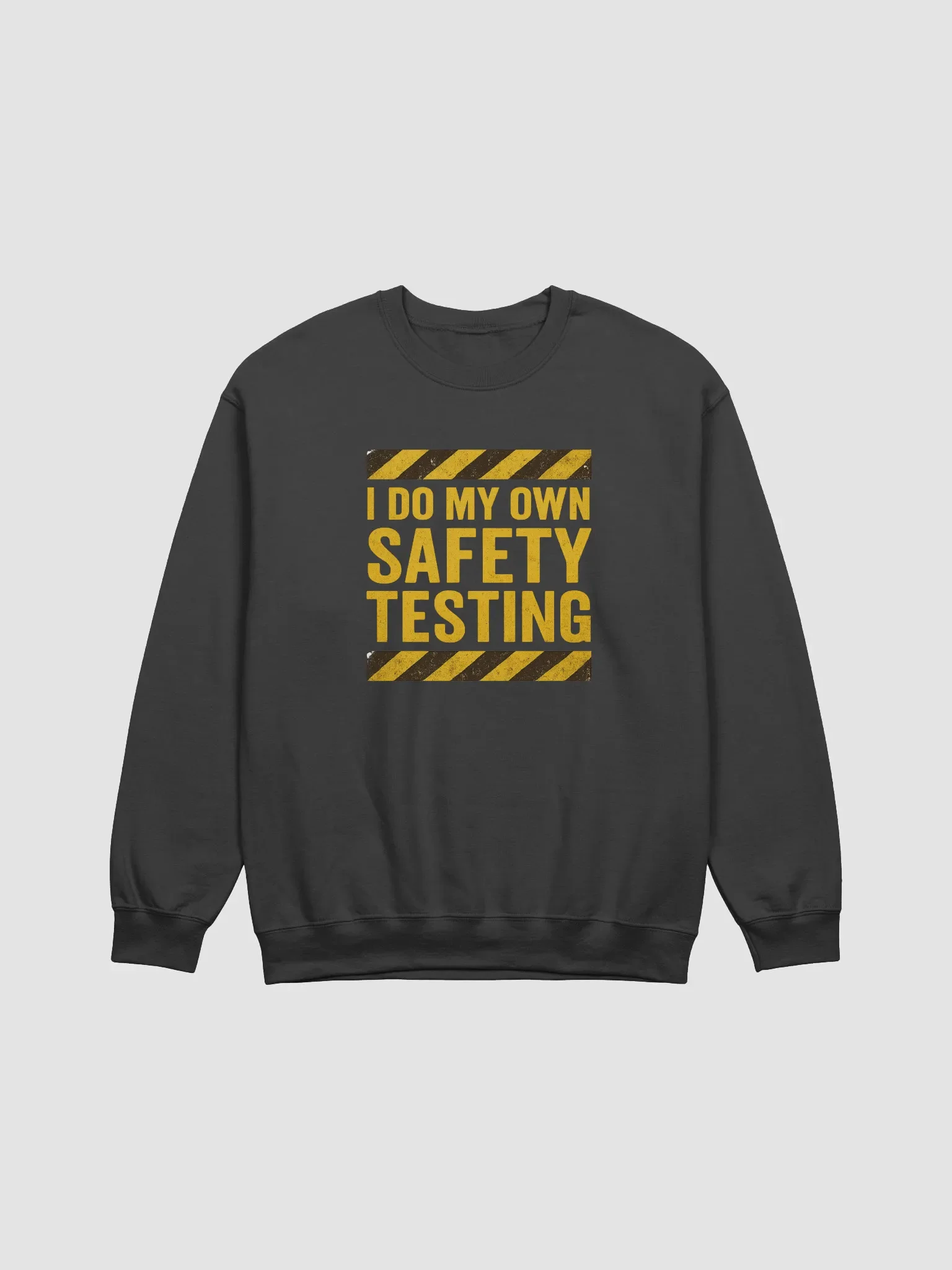 gear · Available“I Do My Own Safety Testing” Crewneck$28.00
 apparel · Available“Safety 3rd” Trucker Hat$18.00
 apparel · Available“Safety 3rd” Tee$22.00
 mugs · Available“Safety 3rd” Mug$12.00
 apparel · AvailableWacky Engineering Night Logo Hoodie$40.00
 apparel · AvailableWacky Engineering Night Logo Tee$28.00
 apparel · AvailableWacky Engineering Trucker Hat$27.00
 mugs · AvailableWacky Engineering Logo Mug$8.00
 gear · AvailableWacky Engineering Desk Mat$18.00
 gear · AvailableWacky Engineering Can Coozie$5.00
 apparel · AvailableThe OG Wacky Engineering Logo Tee$20.00
Tools, controls, fabrication, and useful household technology all belong on the bench. Bring a practical question and a product that can help answer it.
Propose a collaboration Download the collaboration briefStart with these channel builds to see the subjects, practical questions, and approach.
A physical experiment that tests an unusual printer setup.
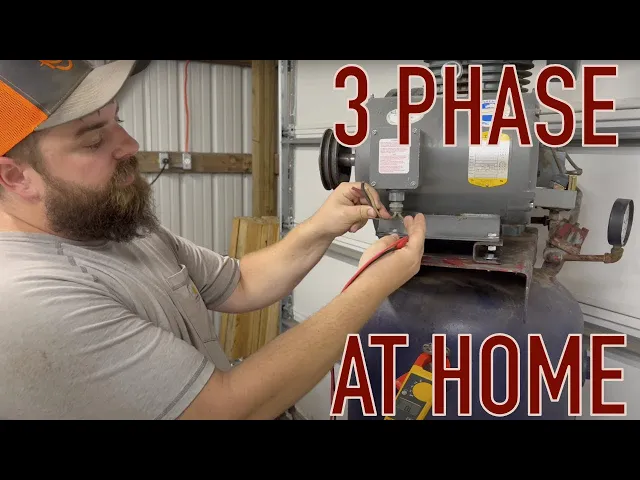
A practical controls and wiring walkthrough.
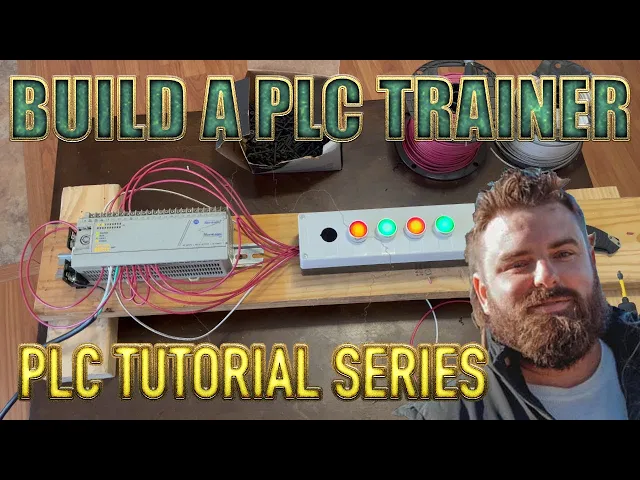
A build that makes industrial controls easier to explore.
YouTube shows the public channel and current subscriber count. For dated reach, audience information, availability, or a media kit, request the current information before planning a campaign.
Request current audience informationGood collaborations start with a practical problem and leave the audience with something more useful than an ad read.
Suggest the format that answers the useful question. Include the intended distribution and any requested reuse of the finished work in your brief.
Four pieces of context are enough to decide whether there is a real build here.
What it does and why this audience would care.
Timeline, required disclosure, review expectations, and anything off-limits.
A proposed test, failure mode, or practical problem worth solving.
Your name, company, budget range if applicable, and fastest reply route.